Are you a Discerning Drinker?
Join thousands of like-minded professionals and cocktail enthusiasts, receive our weekly newsletters and see pages produced by our community for fellow Discerning Drinkers.

From the farm to Alquímico
To understand the ingredients in an Alquímico cocktail, you need to look well beyond Cartagena.
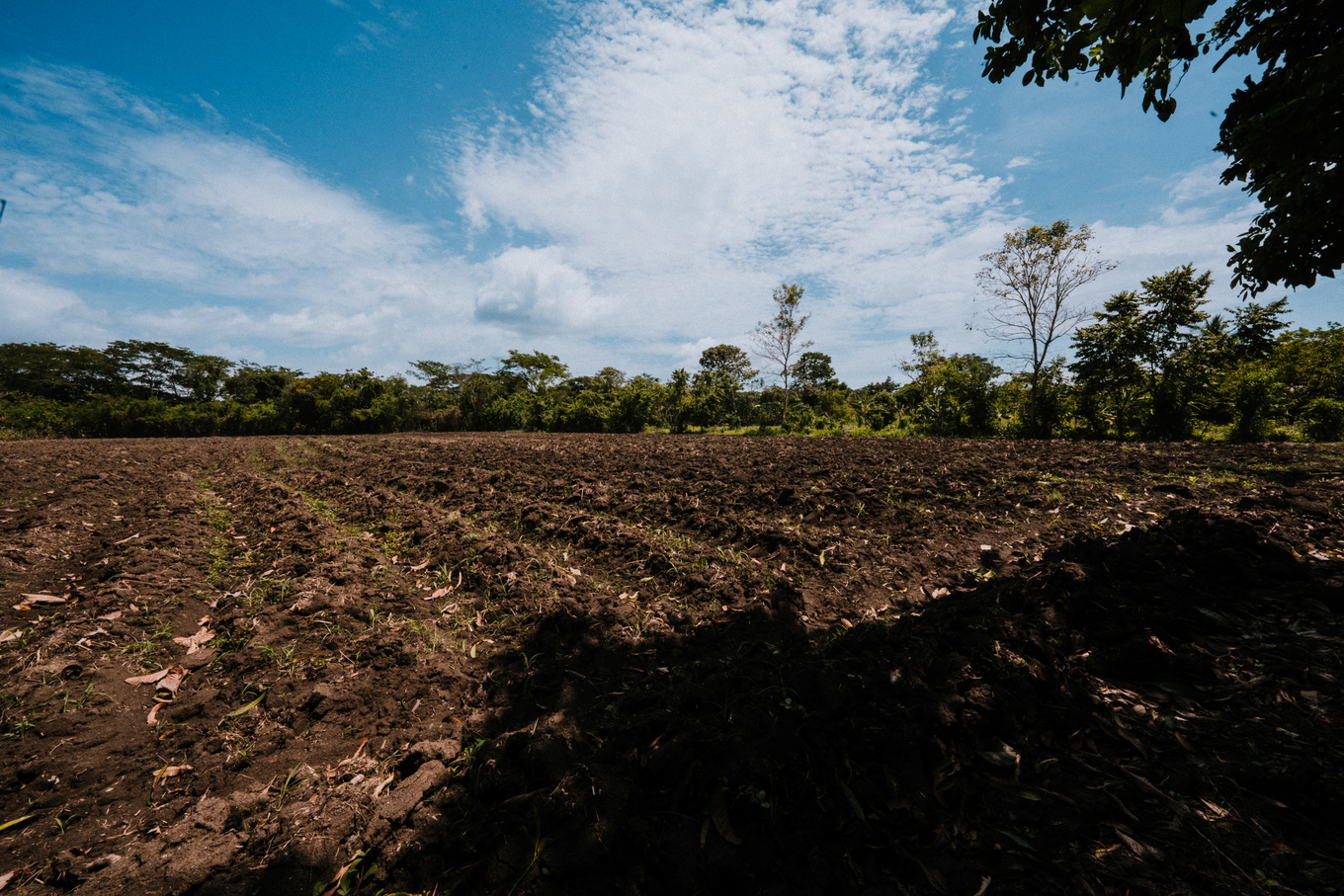
Some 900 kilometres from the bar, near Filandia in Quindío, lies the farm that has become one of the foundations of Alquímico's approach to produce. The property was acquired before the pandemic to supply ingredients to the bar, but events in 2020 dramatically accelerated its development.
When Covid forced Alquímico to close, Jean Trinh and members of his team relocated to the property. What followed was an extraordinary reversal of the normal hospitality supply chain: bartenders accustomed to receiving fruit, herbs, and other ingredients at the bar began learning how to grow them.
The team worked the land, built accommodation, and developed the farm into a working part of the Alquímico business. Today, the property grows a remarkable diversity of produce, with the 11-hectare farm growing more than 150 varieties of fruit and vegetables.
The significance of this goes beyond having an attractive "farm-to-glass" story.
Growing ingredients gives the Alquímico team an understanding of seasonality, agriculture, and the work behind something as simple as a piece of fruit. It also allows experimentation to begin before an ingredient reaches Cartagena.
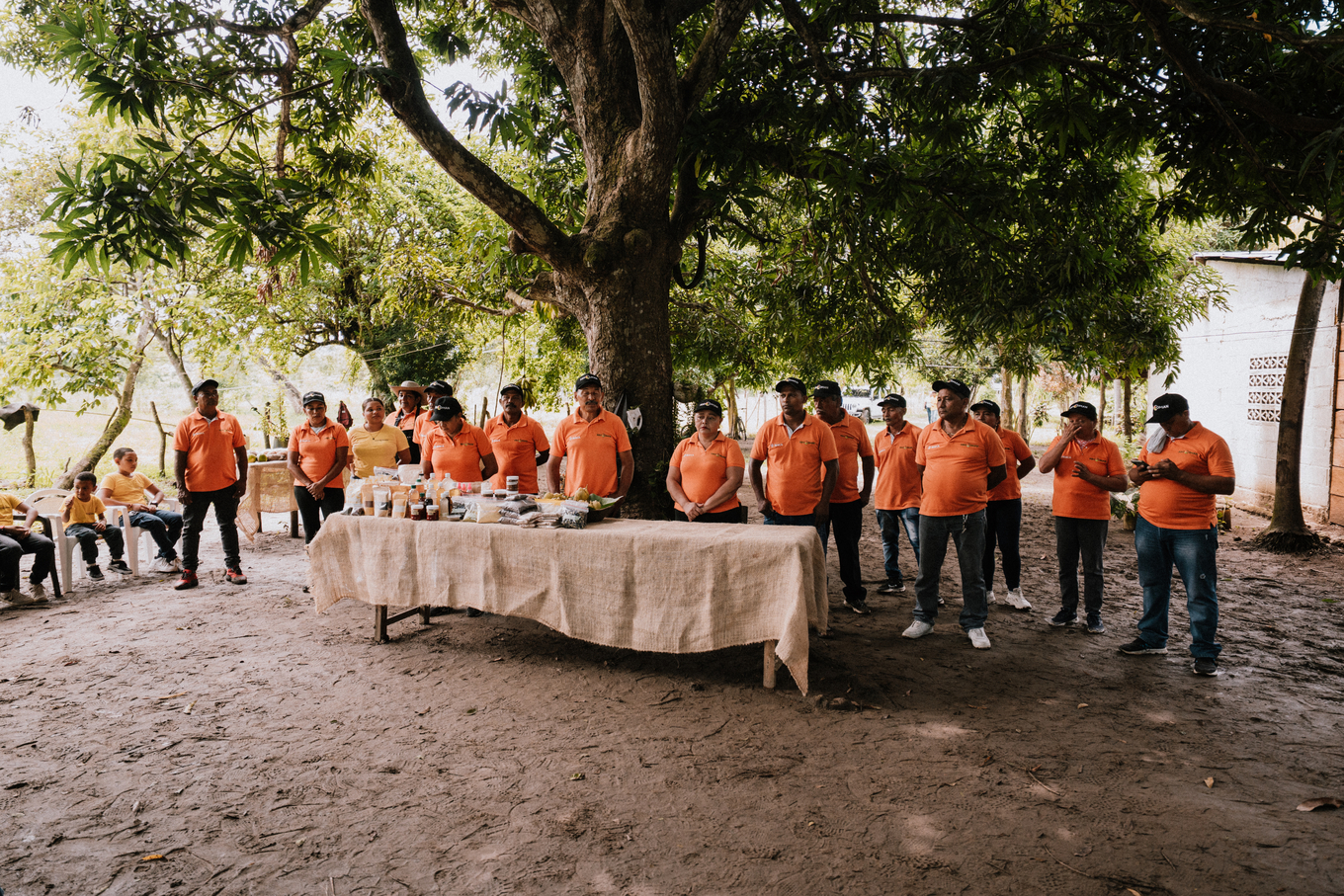
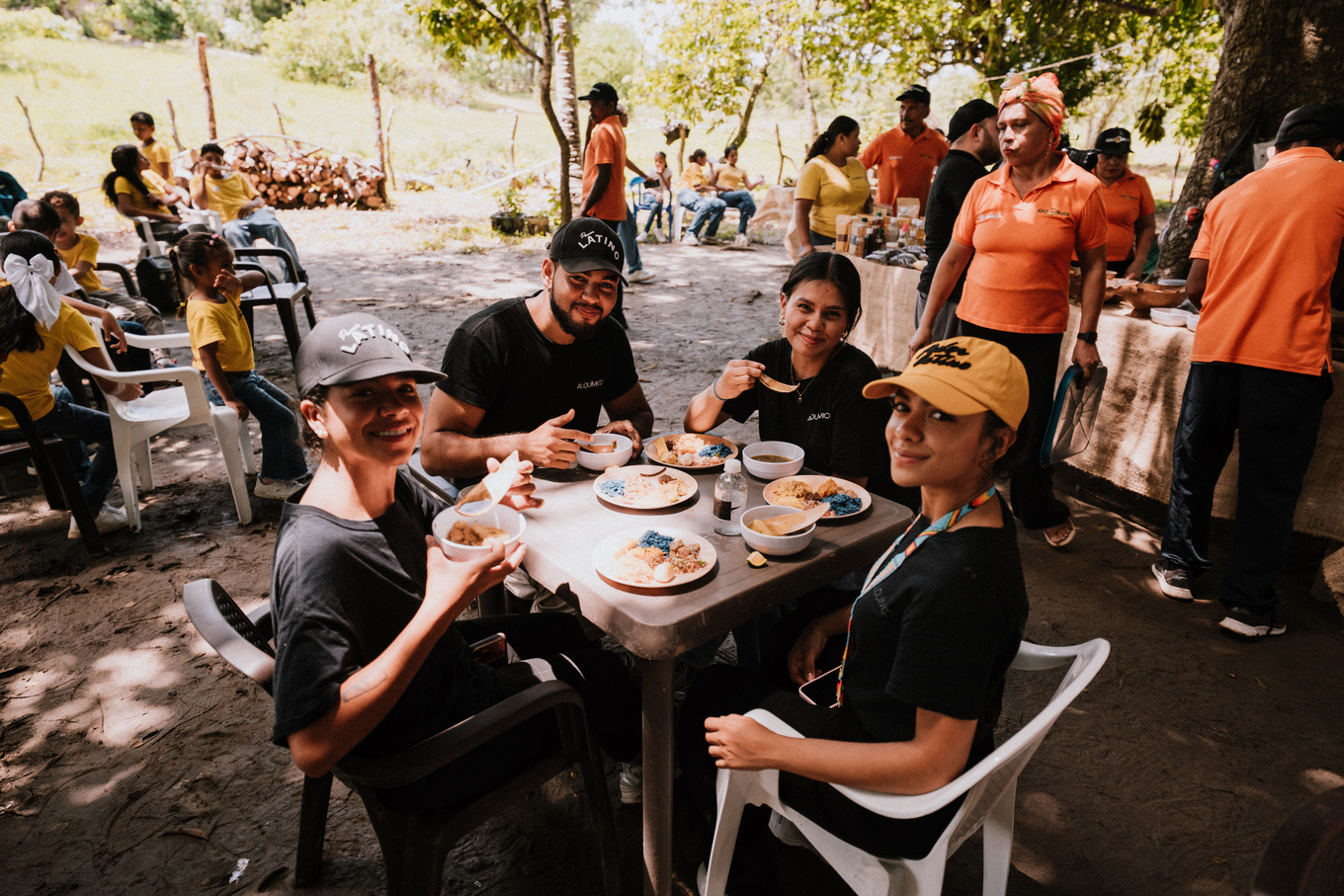
The farm, however, is only one part of the sustainable local supply chain. Alquímico also works with independent Colombian farmers and agricultural communities. The bar's relationship with Asocoman, an agricultural community association in Montes de María, the mountainous Caribbean region southwest of Cartagena, has been particularly important.
Alquímico's model involves knowing who produces an ingredient, understanding the conditions in which it is grown and finding ways for the bar's commercial success to create opportunities further back along the supply chain.
As part Alquímico's support of rural communities in Montes de Maríaof, in 2025 the bar provided the community with a water storage tank system to enable crop irrigation and a water treatment plant.
More recently, in 2026, Alquímico supported the construction of a production centre and school for the Semillas de Amor youth group, creating a space for learning, production, and skills development within the community. The bar also supported the implementation of music classes for children directly in rural areas, bringing artistic education to their communities and creating spaces for learning and expression.
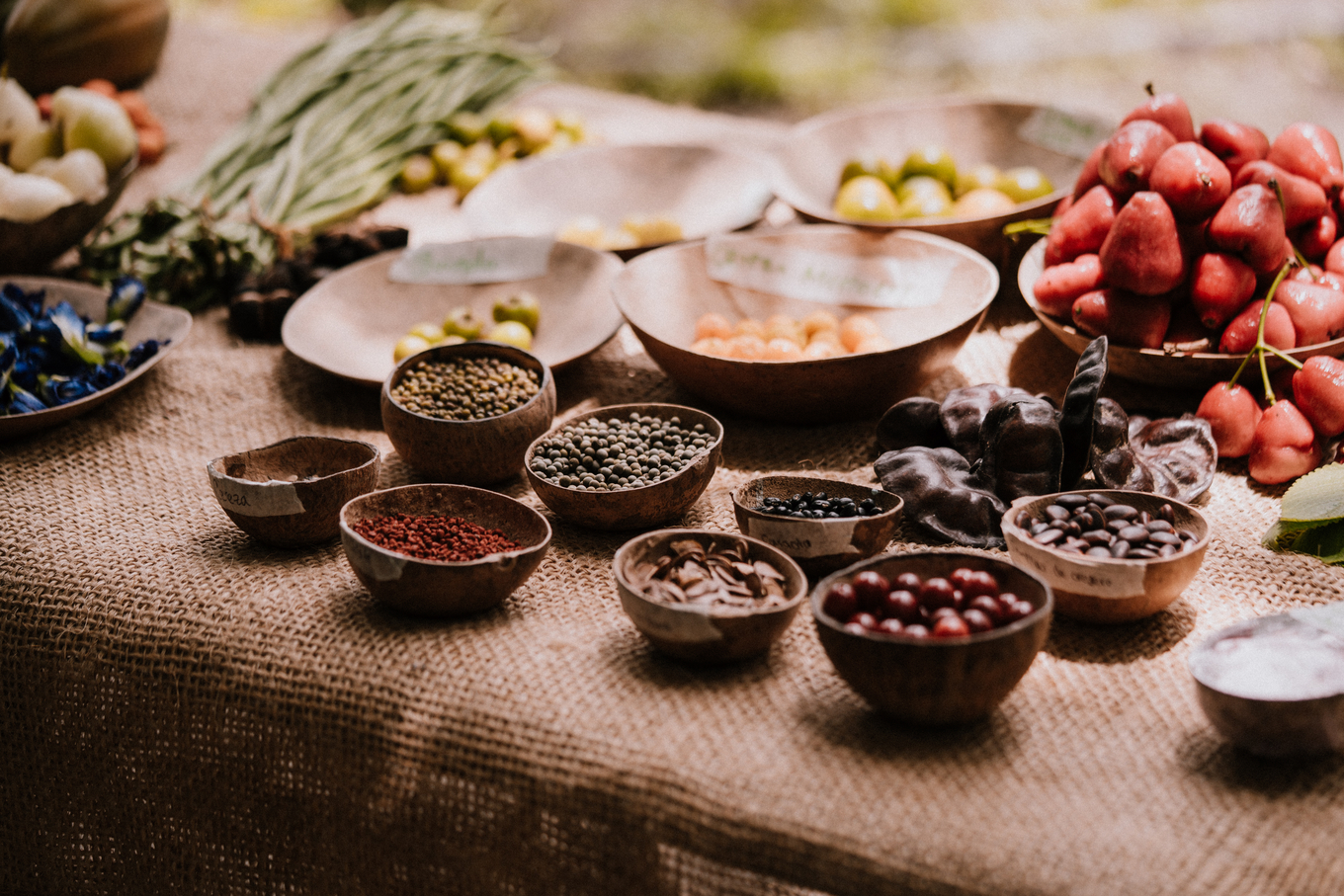
Alquímico also purchases ingredients and agricultural products from these communities, and their produce has become a key component in the bar's approach to liquid gastronomy. This means the relationship isn't limited to a one-time social intervention; each ingredient represents a connection between the land and the bar. Ingredients purchased from Asocoman include:
- Yams
- Orejero seeds
- Cassava
- Sour guava
- Star fruit
- Wild coriander
- Corozo
- Sweet guava
- Coconuts
- Moringa leaves
- Sweet pepper
- Limes
- Passion fruit
- Cucumber
Through these purchases and the bar's Comunidad menu, Alquímico supports the livelihoods of approximately 80 families.
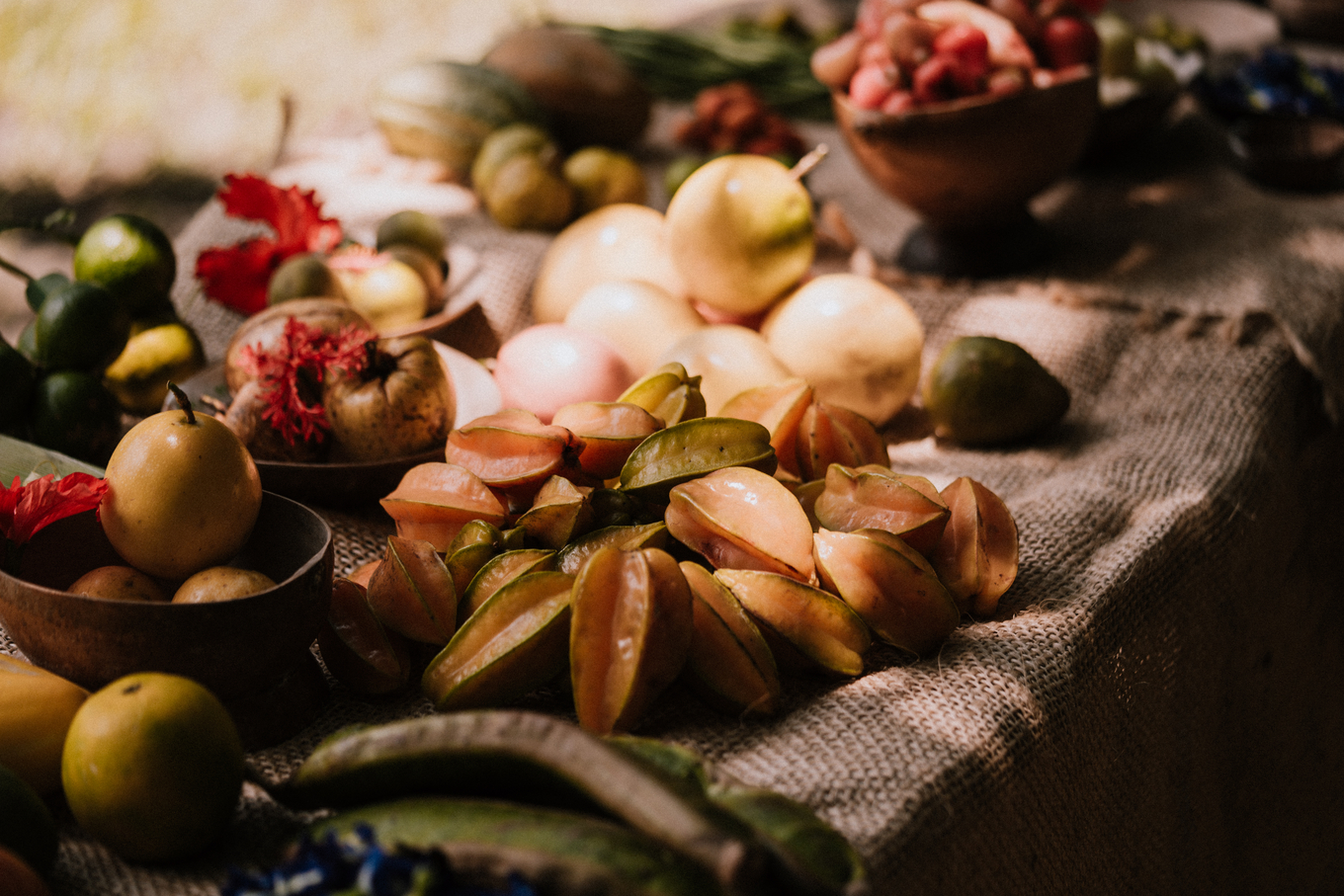
Alquímico Lab provides another link. The bar conducts its research and development work in coordination with local producers, while produce grown at Filandia is also processed organically on the farm. Fruits and spices can therefore become wines, meads, infusions or other preparations.
So, while the finished cocktail may be served in a celebrated bar in Cartagena, its story can begin hundreds of kilometres away with the people who planted, tended and harvested the ingredient that gives the drink its flavour.