
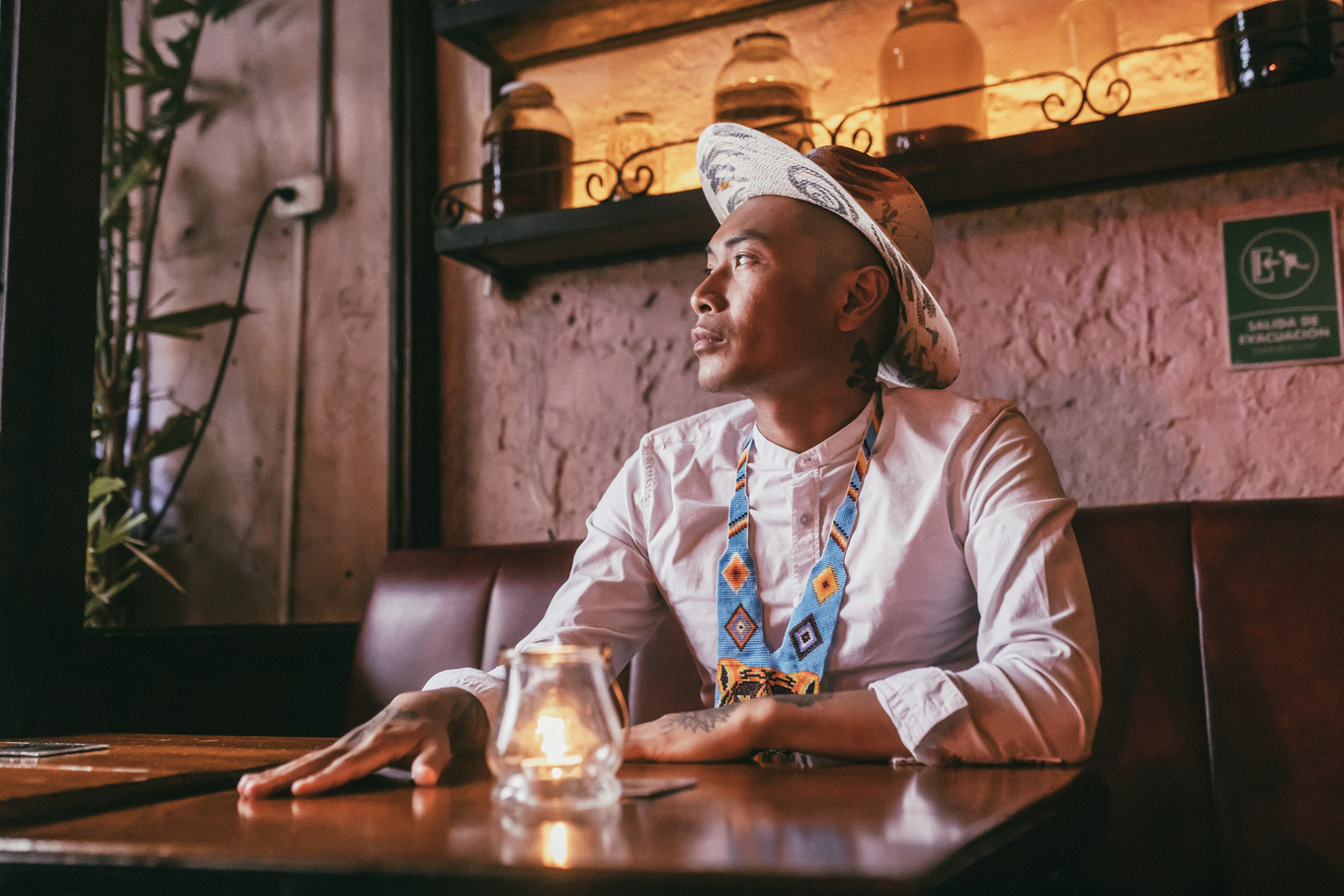
Jean Trinh, the entrepreneur behind Alquímico
Jean Trinh's route to becoming one of the best-known figures in the international bar industry was unconventional. Born in France to Vietnamese parents, he grew up around hospitality through his family's restaurant businesses, but he initially chose a career in construction.
After graduating, Trinh worked in construction, renovating old buildings. Hospitality remained an ambition, however, and in 2011 he and university friends opened a small bar in Paris. For several years, he split his workweek between engineering and running the bar.
Then, at the end of 2013, Trinh bought a one-way ticket to Colombia. He arrived without a detailed business plan and, by his own account, with around €7,000 with which to establish himself and potentially start something.
Cartagena provided the opportunity. With the 2014 FIFA World Cup approaching, Trinh saw a gap for an informal and affordable place where people could watch the matches and drink. He opened El Laboratorio, combining a simple sports-bar proposition with cocktails made using Colombian rather than predominantly imported ingredients.
His use of local ingredients was driven as much by economics as by a pursuit of flavour. Imported ingredients made cocktails expensive relative to local incomes, whereas Colombia offered Trinh an extraordinary range of fruits, herbs and aromatics on his doorstep. Using them let him experiment with flavour while offering drinks at more accessible prices.
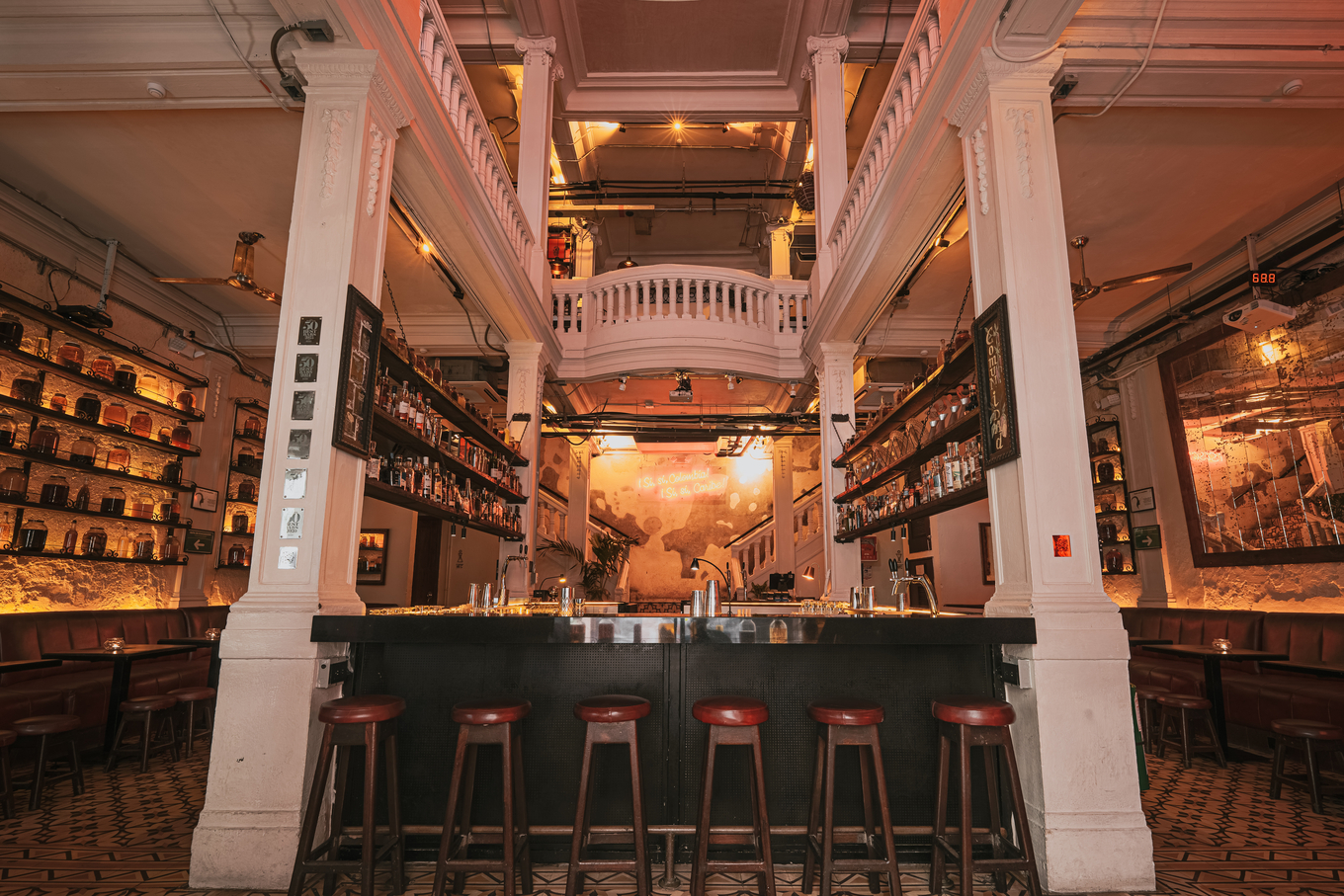
El Laboratorio prospered sufficiently for Trinh to close it and pursue something considerably more ambitious. After searching Cartagena's historic centre, he found a dilapidated old mansion. His previous career suddenly became particularly useful: drawing on his engineering and building experience, he renovated the property and created Alquímico, which opened with his then business partner, Yeferson Avila Rodriguez, in 2016.
Initially occupying only the ground floor, Alquímico expanded upwards. A second bar and kitchen followed, and eventually the rooftop became the third part of the operation.
Trinh's entrepreneurial approach is perhaps best illustrated by what happened when Covid-19 threatened the business in 2020. He chose to keep paying their salaries and turned the enforced closure into an opportunity for his whole team to learn together. They were used to working 48-hour weeks in the bar, so instead they spent the same amount of time learning together, with Trinh asking experts to share their knowledge with the team via Zoom calls. However, as the shutdown continued, and simply paying his staff to learn became financially unsustainable, Trinh came up with an unexpected alternative.
Before the pandemic, Trinh and Yeferson had acquired farmland near Filandia in Quindío, in Colombia's coffee-growing region. Trinh relocated the Alquímico team there to work on the far. However, they first had to build a house on the farm to live in. Although these bartenders had no construction experience, they built the Alquímico farmhouse in just two months. The team then turned their attention to agriculture, cultivating the land that would later become an important source of ingredients for the bar.
What began as a response to a crisis changed the company's direction. Trinh's vision for Alquímico expanded beyond a bar business to include farming, research and development, relationships with independent producers, and community projects.
Recognition followed. In 2022, fellow bartenders voted Trinh the recipient of The World's 50 Best Bars Bartenders' Bartender Award.
What started with an inexpensive World Cup bar has evolved into a business connecting a celebrated Cartagena venue with a farm hundreds of kilometres away, Colombian growers and producers, an R&D laboratory and social projects.
At its centre remains a straightforward commercial principle: create somewhere people genuinely want to visit. The difference is what Trinh has chosen to build around it.

