




The Sherry region
Sherry is made in the province of Cádiz in southwest Spain and is particularly identified with the town of Jerez de la Frontera, where the sherry industry is centred, and the towns of El Puerto de Santa María and Sanlúcar de Barrameda. Due to their positioning, these three towns formed what's known as the sherry triangle, so they are referred to as the "triangle towns"
Until recently, only producers in these towns were permitted to age and bottle sherry. However, vinification was permitted in six neighbouring municipalities: Trebujena, Chipiona, Rota, Puerto Real, Chiclana de la Frontera, Lebrija, and San José del Valle. In November 2023, the Consejo Regulator of the D.O. Jerez-Xérès-Sherry, sherry's governing body, approved expanding ageing and bottling to these seven towns. Hence, now, rather than the "Sherry Triangle", there's what's known as "Marco de Jerez" (the sherry frame or sherry outline).
Local microclimates and yeast strains in these different towns profoundly affect how the wines develop while they age. Indeed, 99% of sherry is still aged in the former triangle towns, so it will be interesting to sample wines produced in the non-triangle towns in the years ahead.
All ten sherry towns are located within the Greenwich meridian 5° 49' West and along the parallel 36° 58' North. The sherry region is the southernmost winemaking region of continental Europe.
Climate
Cádiz, the province where the sherry region lies, is bathed in sunlight, with 3,000-3,200 hours of sunshine and about 300 sunny days a year. Summers are hot and very dry, and winters are mild and wet. This is partly due to its low latitude, approximately 6,000 km (3,725 miles) north of the Equator.
The region has a diverse topography, encompassing coastal areas, countryside, and gently undulating hills and valleys. It also sits on a climatic crossroads influenced by two continents: Europe and Africa, and two seas, the Atlantic and the Alboran Sea (an area of the Mediterranean). The Atlantic Ocean and two prevailing winds, the Poniente and the Levante, greatly influence the climate.
The poniente, more prevalent in autumn and winter (October to April), blows from the west, bringing cold, humid air from the Atlantic, with humidity as high as 95%. [I remember by thinking poniente = pond, so wet and cold)] The humid poniente wind cools the wineries.
To the contrary, the levante, which originates in the Sahara Desert, is a strong, dry, persistent wind that blows from the east and in the summer can gust for a week or more. The levante's influence is important for concentrating juice in the grapes due to its dehydration effect, while also lessening the chance of mould damaging the grapes. [I remember by thinking levante = levitate and heat rises.] Levitation is a strong drying wind.
Unlike in other winemaking regions, all sherry ageing 'cellars' are above ground, and their orientation, architecture and positioning of windows and doors are designed to harness or deflect these winds depending on the style of sherry being aged inside, which helps elevate damaging mould forming on the grapes.
Rainfall is relatively high, at aaround 62cm (25 inches) per year, but is mostly concentrated in heavy downpours during the autumn and winter seasons. The summer growing season is hot and dry. Hence, the capacity of the vineyard soils to absorb and retain water is crucial to the vines, particularly as irrigation is prohibited by the D.O. rules.
The sub-tropical climate the area enjoys provides a long ripening season for the grapes.
Soil
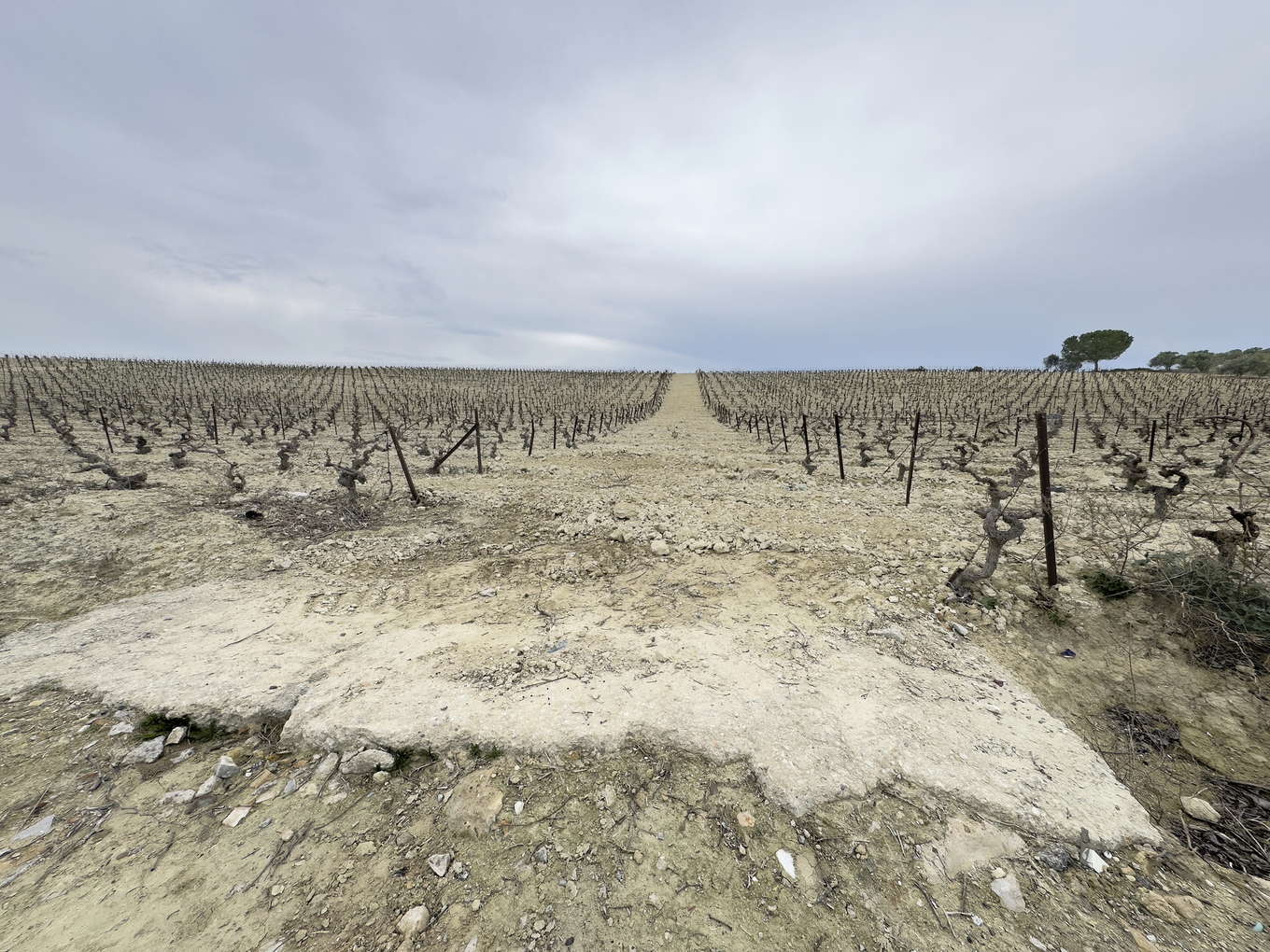
The best vineyards (designated Superior), concentrated in and around the historic "Sherry Triangle" town, are situated on the upper slopes. The topsoil that makes these vineyards special is a white chalky soil called Albariza, primarily composed of limestone (calcium carbonate) with clay and silica. Albariza has little organic matter and nitrogen, so limiting yields. This soil is prized by winemakers for three reasons:
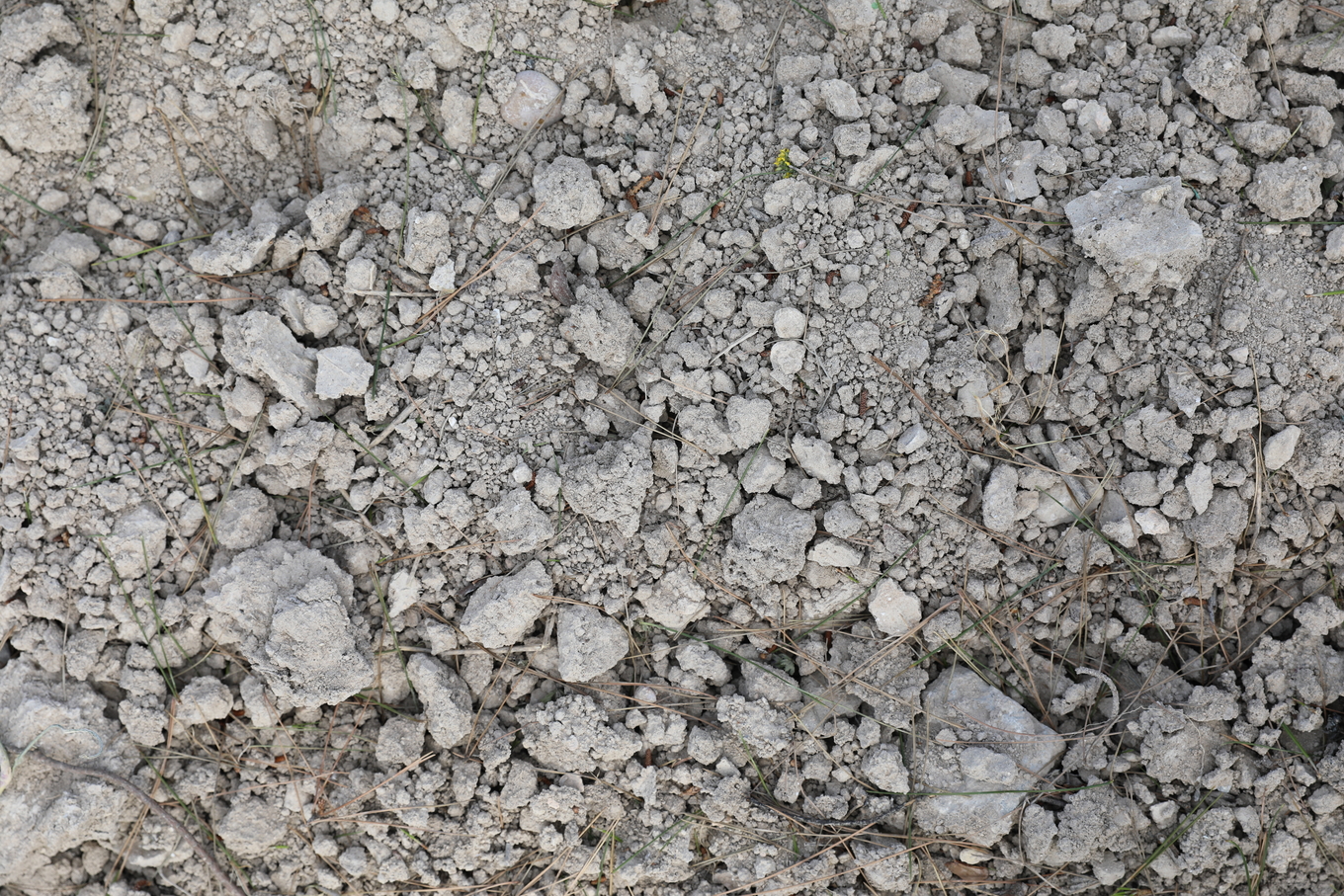
Albariza soil
1. Excellent water retention – This land was submerged under the sea during the Oligocene period, explaining its high concentration of remains of diatomaceous algae and other skeletons of marine microorganisms. This makes Albariza spongelike, so it absorbs and retains winter rain (up to 50% of its weight), then slowly releases moisture during the hot, dry summers. Vine roots can penetrate albariza soils to a depth of 12 metres (39 feet). Albariza's excellent water retention is why irrigation is unnecessary and prohibited in the region.
2. Reflects the sun's rays – Albariza's white colour reflects sunlight, helping grapes shaded by leaves from the direct sun ripen evenly.
3. Suitability to Palomino grapes – Albariza is ideally suited to Palomino grapes, the primary grape used in sherry production, yielding wines with good acidity.
During the winter, the soil between the rows of vines is worked to form ridges that collect rainfall in pools, helping prevent runoff and encouraging the water to seep into and be absorbed by the Albariza soil. During the summer, these ridges are flattened to allow the white soil to bake into a crust that reduces evaporation and increases reflectivity. This practice of seasonal soil tillage is known as aserpiado.
The two other soil types found in the region, Barros and Arenas, are far less prevalent than Albariza.
Common to coastal parts of the Sherry region, Arena is a sandy soil with a clay and limestone content of up to 20% and is low in lime and high in iron oxide. Vines are planted in Arena soil, but almost exclusively Moscatel de Alejandría as this soil is not suited to Palomino grapes.
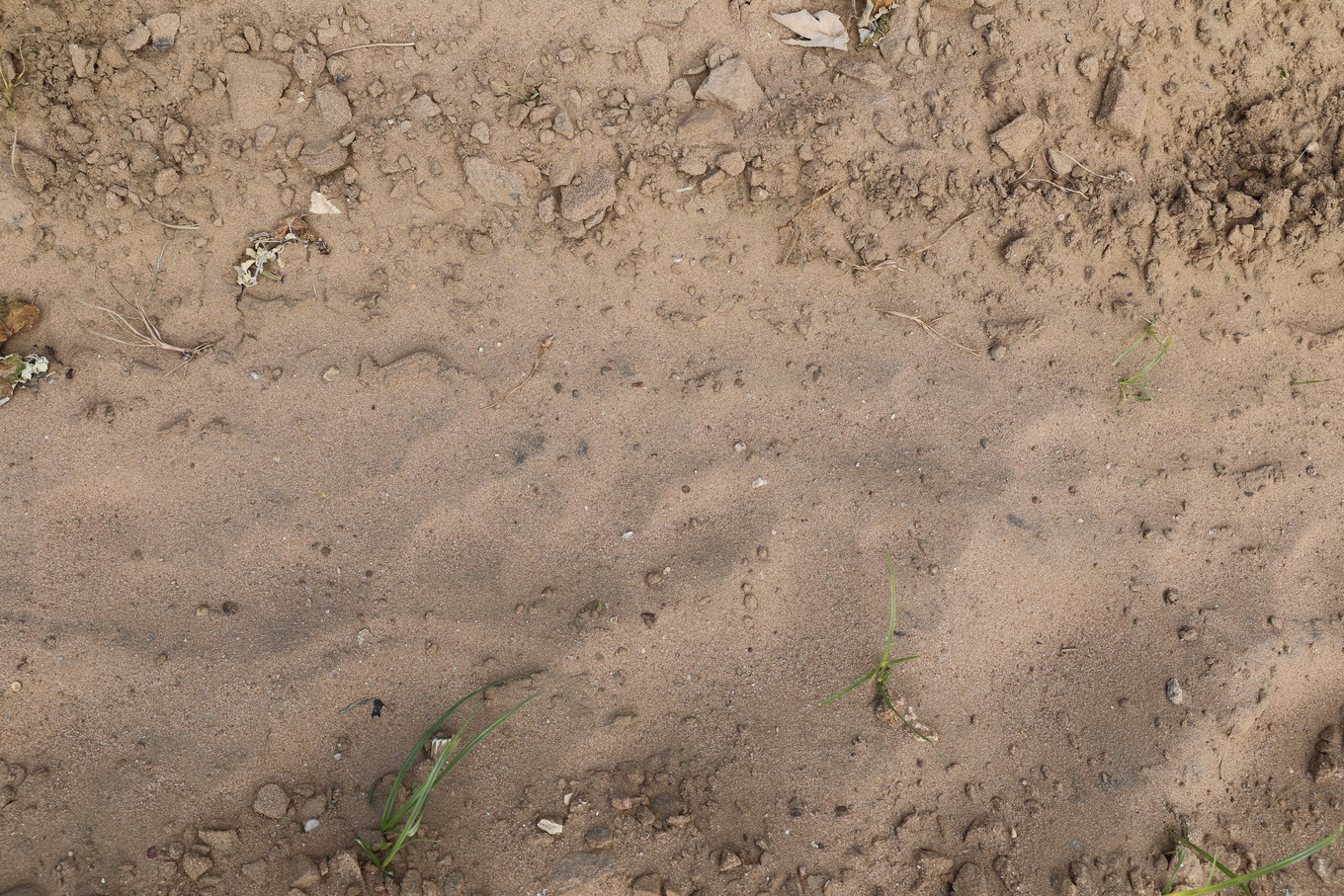
Arena soil
Barro is a dark greyish-brown soil found on lower parts of slopes, valleys, and riverbeds. With more organic matter, it is 60 to 80% clay, and although more fertile, it is difficult to cultivate grapes in due to its low water retention.
Almacenistas vs. Exporters
Bodegas de Crianza y Almacenado make and age wines, which they sell in bulk to the Bodegas de Crianza y Expedición wineries (see below). Apart from these bulk sales, Almacenado are only permitted to sell their sherries in the local market and, traditionally, the smaller of these Almacenado operate very small soleras behind taberna (taverns/bars), selling their sherry by the glass and also filling litre containers for locals to enjoy at home.
Bodegas de Crianza y Expedición not only age sherry wine but are also permitted sell their sherries under the protection and certification of the D.O.. These are the owners of the international sherry brands.

Sherry Cocktails
Sherry has been a staple cocktail since the 1800s, appearing in many punch recipes from the period. Today, sherry plays a key role in the world's leading

Lustau
Lustau organises its wines into several range categories (or gamas) beyond just by style: Solera Familiar (Family Solera) - the core, house range Almacenistas
