




Classification of vineyards
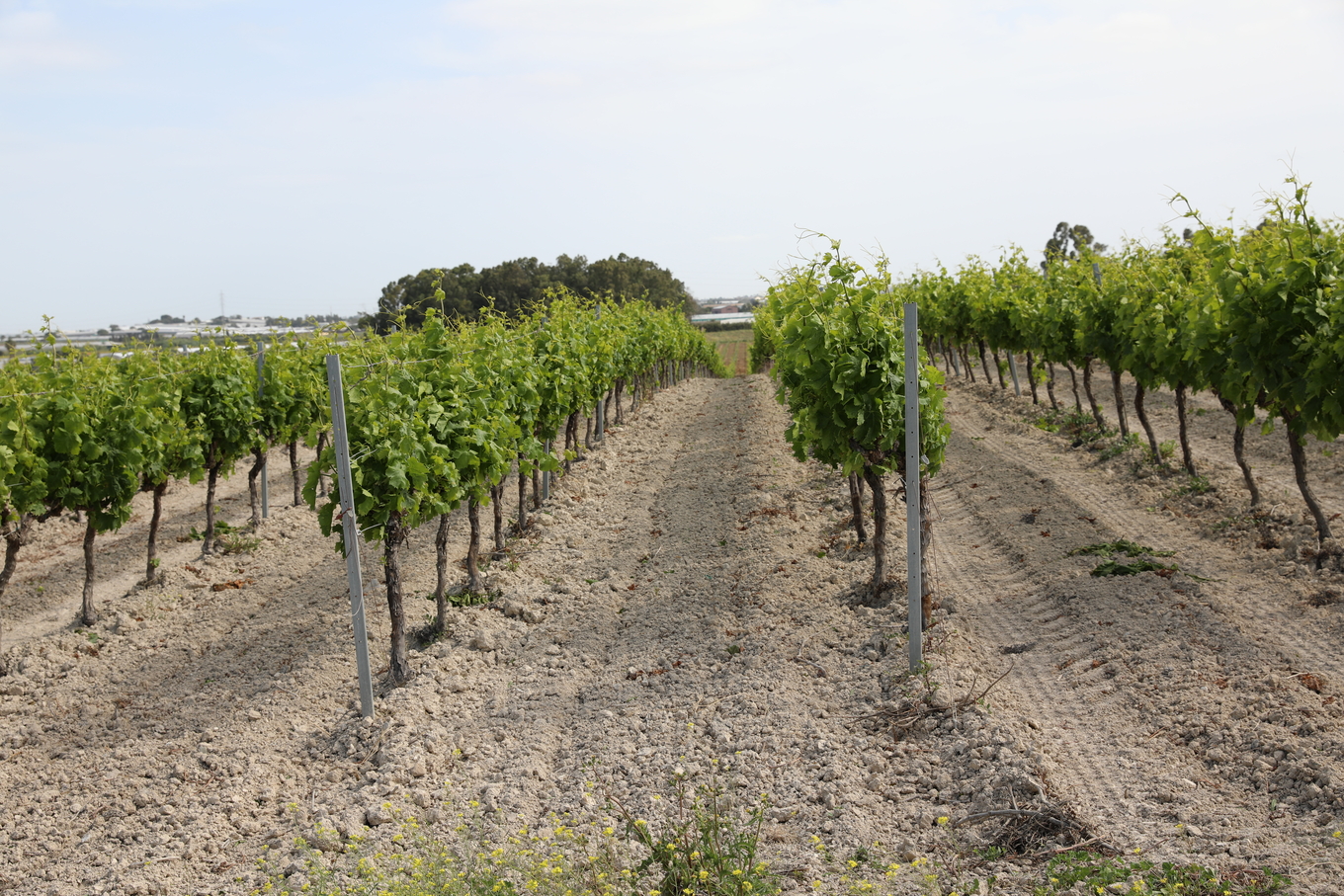
The sherry region is divided into pagos (sub-regions), classified according to the quality of the wines produced in each, and this is governed by their soil type, altitude and proximity to the sea, with those on high ground, close to the sea and with Albariza soil (see below) more highly regarded. The official list of pagos was completed in 2015.
The sherry region comprises more than 3,500 vineyards averaging 3 hectares, and each pago encompasses several vineyards. If a sherry comprises at least 85% of the grapes from one pago, then the name of that pago may be used on the label.
Some vineyards are classified as Jerez Superior and grapes from such vineyards typically command a 20% price premium. From when the Denomination of Origin Jerez-Xérèz-Sherry was established in 1935 through to November 2023, Jerez Superior was limited to the area that lay within the triangle-shaped area delineated by the towns of Jerez de la Frontera, El Puerto de Santa María, and Sanlúcar de Barrameda. Jerez Superior was also exclusively granted to vineyards with Alberisa soil, which predominates in this area.
Now, any grower with any soil within the greater sherry region can apply for Jerez Superior. However, at the time of writing [January 2026], the only vineyards designated Jerez Superior have Alberisa soil and lie within the Sherry Triangle, where the famous sherry bodegas remain.
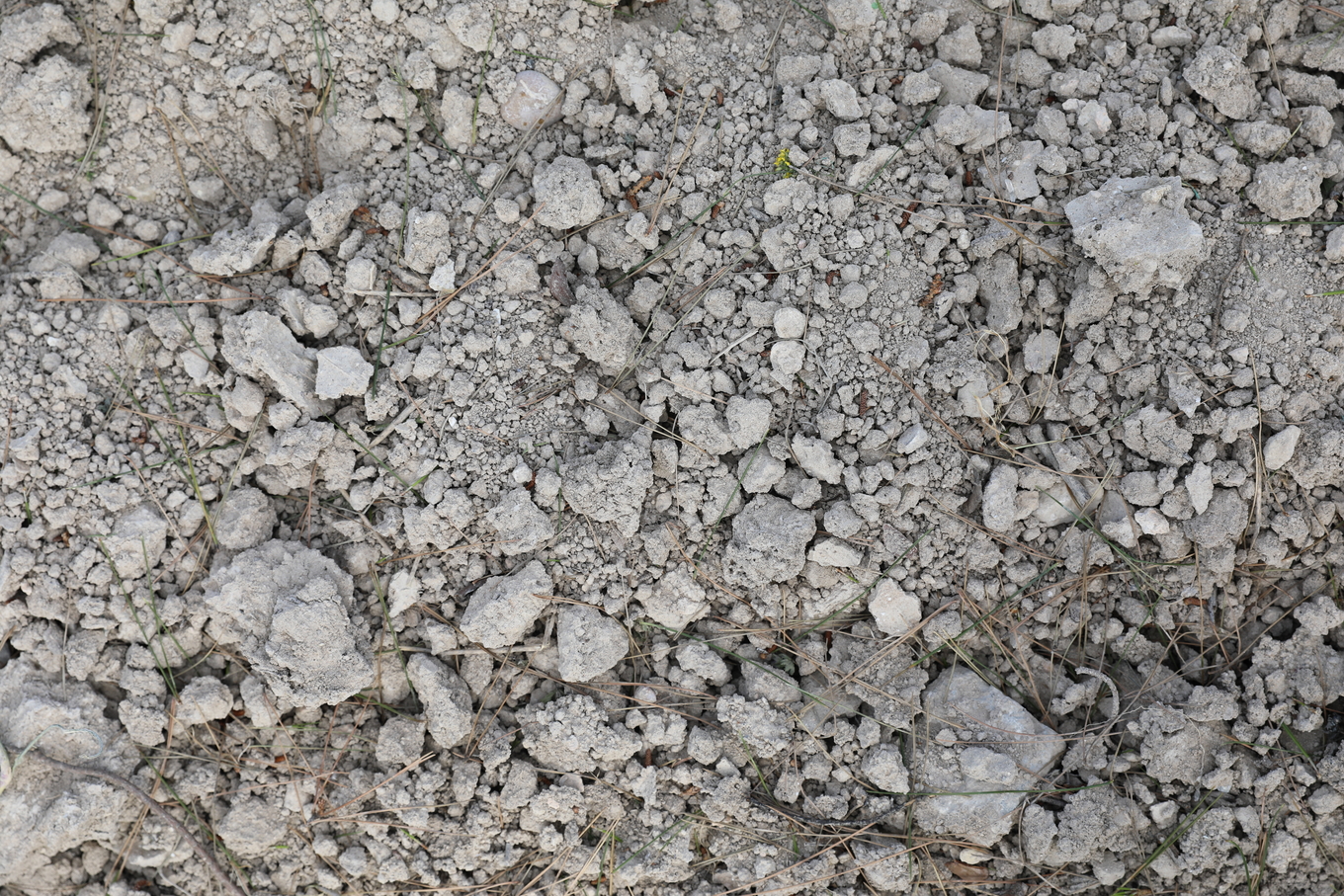
Alberisa soil

Sherry Cocktails
Sherry has been a staple cocktail since the 1800s, appearing in many punch recipes from the period. Today, sherry plays a key role in the world's leading

Lustau
Lustau organises its wines into several range categories (or gamas) beyond just by style: Solera Familiar (Family Solera) - the core, house range Almacenistas
