How Ferrand Dry Curaçao is made
Most triple sec and even lesser orange curaçao liqueurs are made the fast way: infuse dried peel in neutral spirit, redistill, add water and sugar, then bottle. It is a respectable process that produces a clean, one-dimensional, zesty, orange-flavoured liqueur. The production of Ferrand Dry Curaçao is much more involved, recreating processes used in France during the 1860s.
The fruit
It starts Laraha oranges, a variety of bitter orange, originally from Curaçao island and now grown across the Caribbean. It is a miserable-eating orange: bitter, with very little flesh, but its peel is extraordinarily aromatic. Ferrand buys dried Laraha peel, in sacking bags stencilled with the Pierre Ferrand name, and it arrives smelling like the inside of a marmalade factory. Sweet orange peel and lemon peel go in alongside it, so that the finished liqueur carries both the bitter backbone and the brighter, sweeter zest that a bitter orange alone cannot impart.
Infusion, and then infusion again
Rather than a single steep, the peels are infused in stages. This is the point that separates a 19th-century French curaçao from a modern triple sec, and it is what gives the liqueur its layers: different peels, at different strengths, for different lengths of time, each contributing a different part of the aromatic picture. The infusions rest in tank before distillation, and the difference between a one-week and a three-week steep on the same peel is not subtle.
Distillation
The orange infusions are distilled in Ferrand's own alembic stills, worked slowly and with tight cuts, at Château de Bonbonnet in Cognac. Distilling the infusion, rather than simply sweetening it, produces the clarity and lift in the finished liqueur. Distillation produces aromatics without the muddiness that long maceration alone can bring.
The vegetal infusion - the secret bit
Alongside the orange distillate sits what Ferrand calls the vegetal infusion, where the mise en valeur technique described on the story page occurs. A separate infusion of secondary botanicals, including grilled almonds, walnut skins, prunes, vanilla and a little spice, is prepared in brandy. Only a little of this goes into the final blend, and it is not there to produce a liqueur that tastes of almonds or prunes. It is there to support the orange, impart depth of flavour, richness, a little bitterness, and a touch of sweet-pastry warmth. Without this, the liqueur would taste thin and obvious. With it, you have a proper curaçao with complexity.
Sugar, lightly toasted
The sugar is not simply stirred in as syrup. Ferrand lightly toasts their cane sugar first, which knocks off some of the flat sweetness and adds a faint caramelised note; then the sugar is aged with brandy before blending. At around 180g per litre, the sugar level is well below most others in the category, so it's genuinely dry by curaçao standards, which is the whole point of the name. Bartenders coming to it from a sweeter triple sec or lesser curaçao liqueur often need to rebalance a recipe by a few millilitres. That is a feature rather than a fault: it hands the sweetness decision back to whoever is making the cocktail.
Brandy and cognac
The blend marries the Laraha distillate and the vegetal infusion with the aged sugar, unaged French brandy and Ferrand Cognac. The cognac is not a token gesture. It is the reason the liqueur has weight in the mouth and a long finish, and it is the single biggest difference between this and a neutral-spirit triple sec. It is also, of course, the thing Maison Ferrand happens to be very good at, having been making cognac at Château de Bonbonnet for ten generations.
A rest in oak
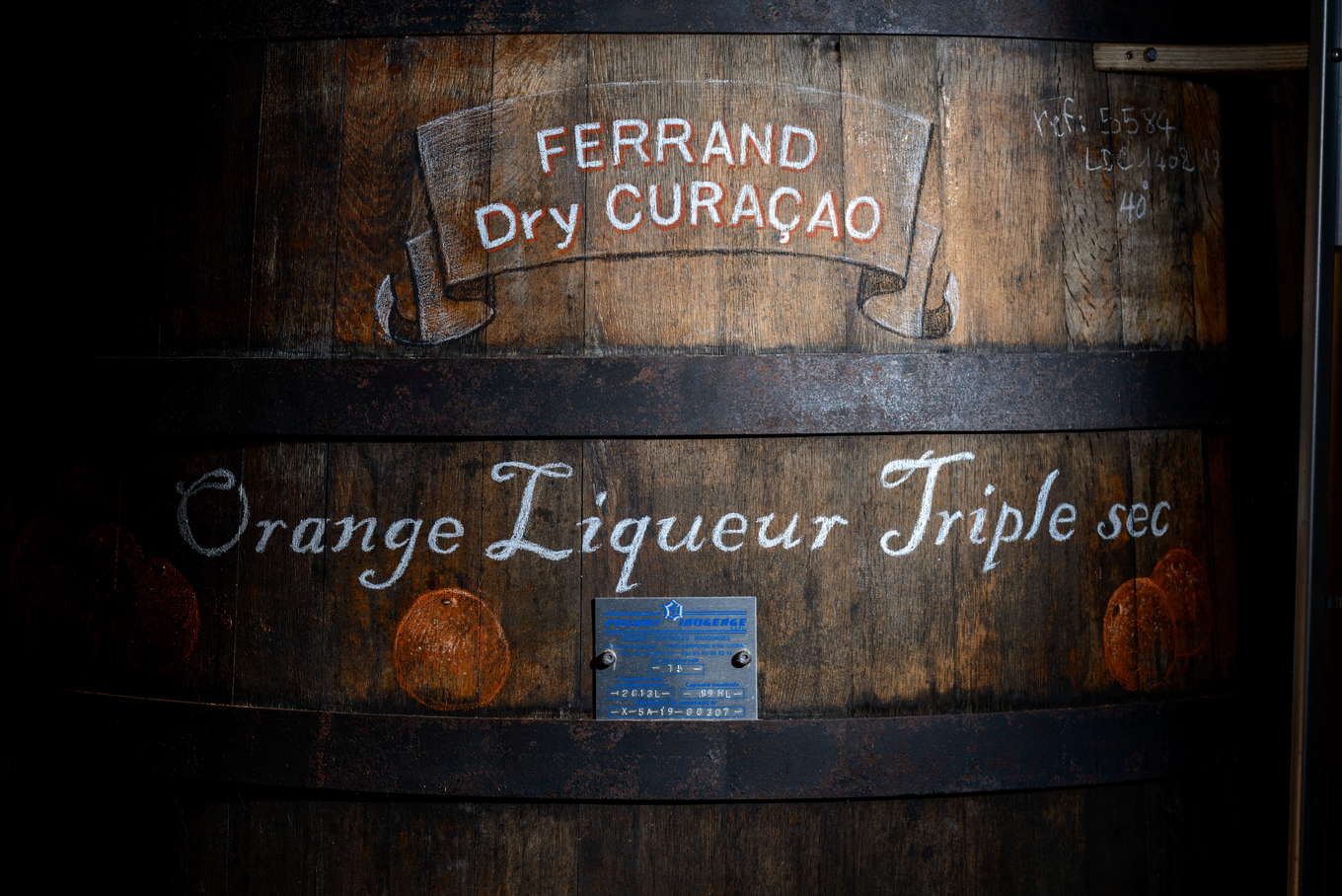
The blended liqueur then goes into French oak for several months. This is not to impart oaky notes; this cask resting period allows the components to marry and takes the edges off the spirit. It's like letting a stage rest before slicing and serving. The 40% alc./vol. bottling strength also sets Ferrand Dry Curaçao apart. This is a liqueur designed to be a major structural part of a cocktail.
Maison Ferrand - Dry Curaçao
Status: Operational
Established: 2012
Visitor Policy: Not generally accessible
Website: Maison Ferrand - Dry Curaçao
Address: Château de Bonbonnet, 24 Chemin des Près, Ars, 16130
Established: 2012
Visitor Policy: Not generally accessible
Website: Maison Ferrand - Dry Curaçao
Address: Château de Bonbonnet, 24 Chemin des Près, Ars, 16130

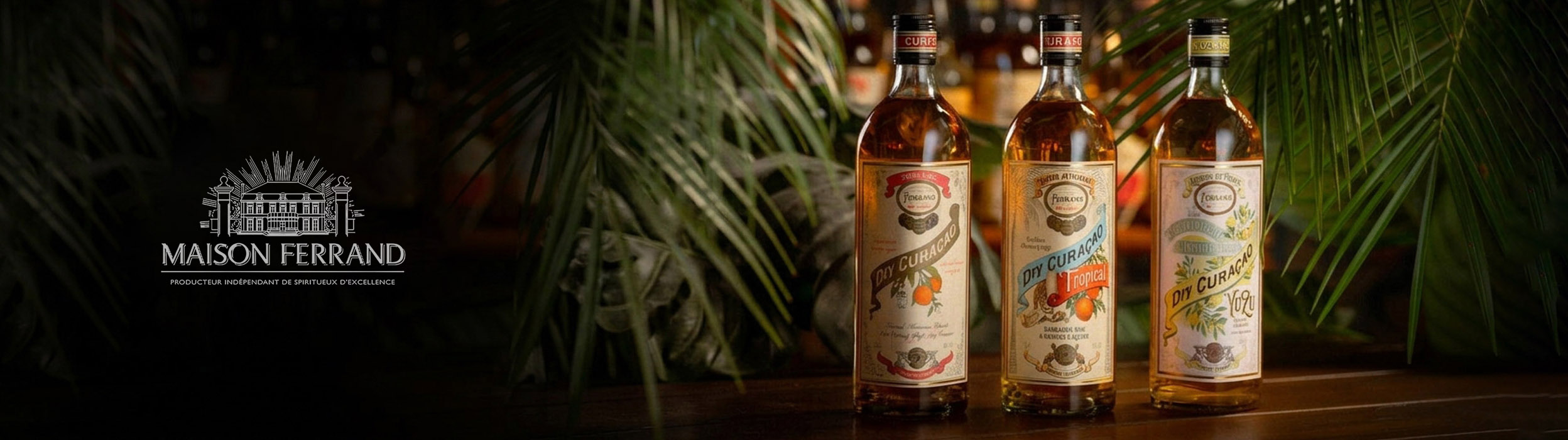
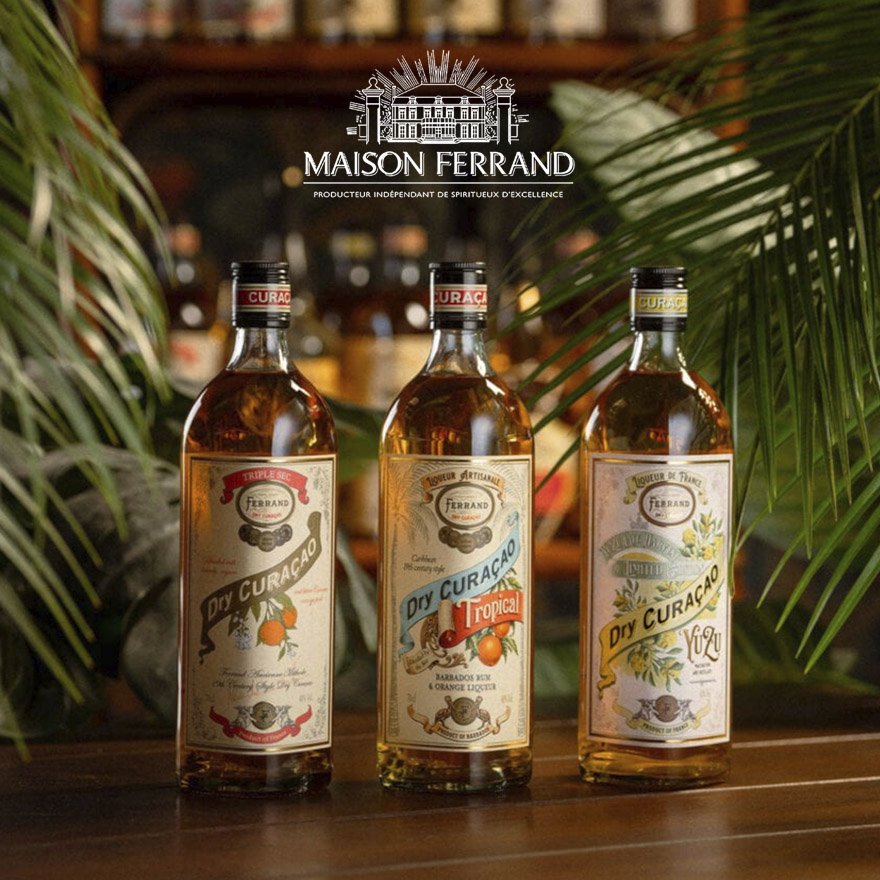
Ferrand Dry Curacao
A French-style dry curaçao built on Laraha bitter orange peel, sweet orange and lemon peel, a vegetal infusion of grilled almonds, prunes, vanilla and

Ferrand Yuzu Late Harvest Dry Curaçao
Ferrand Dry Curaçao Yuzu Late Harvest is a dry curaçao-style orange liqueur designed to bring a bright, expressive citrus lift to cocktails.

Ferrand Tropical Dry Curaçao
Ferrand Dry Curaçao Tropical is a rum-based citrus liqueur from Maison Ferrand, designed to deliver a rum-forward profile for punches, Tiki, and other
