
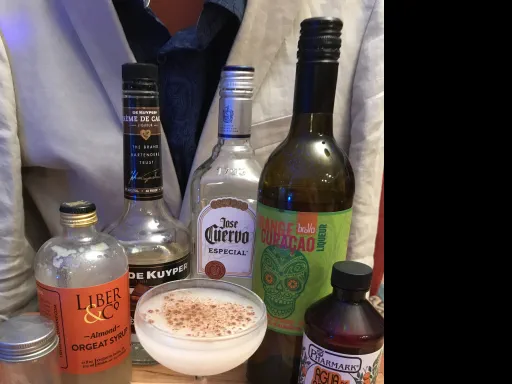
A candy bar of a drink. Enjoyed this. The tequila nicely balances the sweetness of the liqueurs.

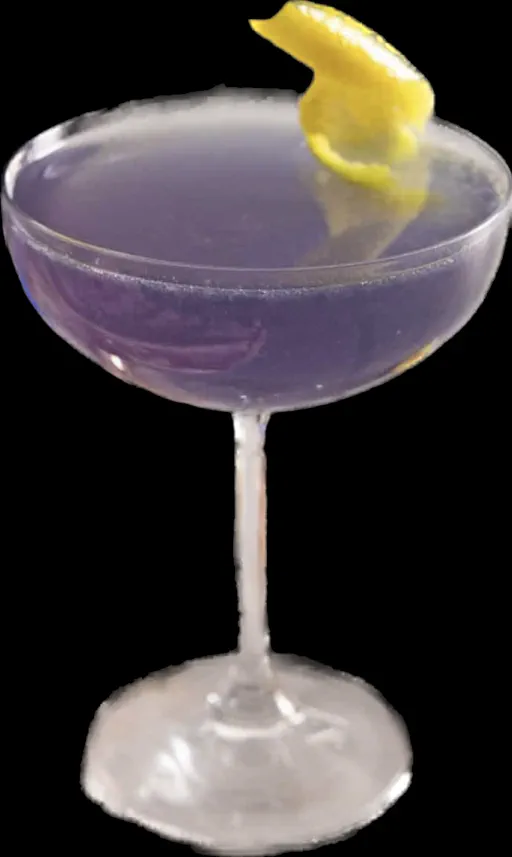
Nicely done Greg. I liked the taste and proportions for me personally but it would be easy to adjust the sweet/sour balance for a someone else. The violette melds well wit the orange flavor.

I used my homemade lime cordial and this was suprisingly good. I would definitely make it again.

I did a split with half rye and half bourbon and was very pleased with the result. Saved this for a future occasion.
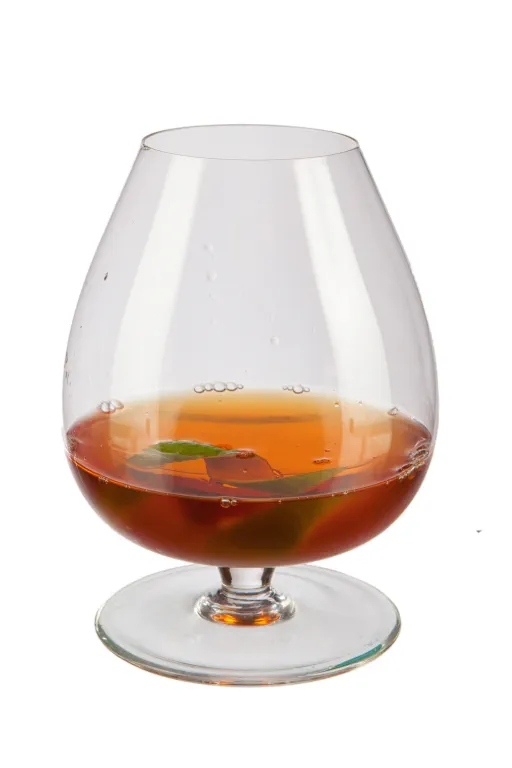

Used Teeling (“Spirit of Dublin”) rum-cask finish whiskey, Abecassis “Reve Bleu” XO cognac to stand up to the double dose of whiskey, Dolin rouge vermouth (not overly rich). Upped Benedictine to 1/4 oz (Difford specifies 1/3 oz for the Vieux Carre’ with just 3/4 oz of whiskey). Angostura and Bitter Truth Creole bitters. Didn’t understand the lime twist so garnished with dried blood orange wheel in an old-fashioned with a large ice cube. Great choice for UNESCO Literacy Day. Slainte mhaith!
Agree with your comment. This drink has heft but is quite enjoyable as an after dinner sipper.

Pleasant and the scotch and cachaca seemed to balance each other well but not something I'll add to the "library".
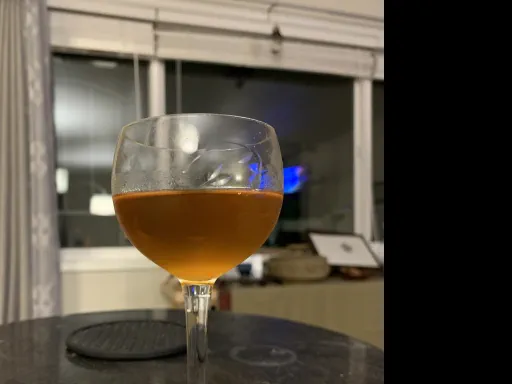
Found this and it's enjoyable. The ginger - allspice - rye combo is good.

This didn't really resonate with me. I will have to try again with a different rum and orange liqueur.

> blind tastings of the same drink made with 1-1 and 2-1 syrups resulted in the two being indistinguishable by everyone I asked to try them
This is almost certainly true.
> if you are using 2-1 syrups in the cocktails where you actually want the increased dilution for some reason, adding chilled water is just an extra annoying step
By contrast, if using a 1:1 and you want *less* dilution, you are screwed. Also you can just shake / stir longer. So 2:1 wins here IMO.
> Heating to make 2-1 syrups actually changes the sugar, and with it the flavor.
Factually incorrect, you can make a 2:1 syrup with room temp water, you just have to be patient. And you can make a 2:1 syrup in seconds with heat that is not near enough to cause breakdown or changes to the sugar. The rest of the stuff about unheated fruit syrups is true, but completely irrelevant to 2:1 vs 1:1 sugar syrups, given this factual error.
> 2-1 syrups aren't really shelf stable and will crash out eventually, requiring reheating to put them back into solution, further degrading the sugar
Same factual error about thermal degradation, but, regardless, fridge your syrups! Then a 2:1 is basically indefinite, which is superior to 1:1. A 2:1 also takes up less space than a 1:1 in the fridge. Also, you can greatly limit or outright prevent re-crystallization with an (undetectable) pinch of salt or citric acid, if you really run into this issue.
So in short, 1:1 syrups in fact have no advantages at all ;)
I'm in general agreement Bob. I tend to make sugar syrups at 2:1. Adding water is easy if you want less concentration. I don't find it much of a problem particularly in an era when some drinks have 8 to 10 ingredients! Also, it is worth noting that the key in the heating is to heat it past the point where any bacterial or fungal contaminants are killed (usually >65C for at least 5 minutes) and less than the point at which chemical transformations take place (typically past 80C). You want to coax the sugar into super-saturation so heat is helpful. Then let the solution cool slowly back to room temperature before bottling.
Fruit based syrups are different but there is no reason to not make the puree and then add sugar solution if desired/needed (after it cools to room temp). Whether to heat a puree depends on the factors the OP mentioned but also what is needed to assure sterilization. Minimizing contamination assures longer shelf life. Yes, taste matters but so does safety (see news reports on contaminated fruit!).
I also recommend thoroughly washing and drying any container (I use glass generally), then sterilize it (and any lid) in a oven at 70C+ for 10 to 15 minutes. This is similar to what is done with beer before bottling. Adding citric acid and/or a small amount of high proof alcohol also helps preservation after the sugar is made. Keep the container tightly sealed and if there is any fruit puree added, in the refrigerator.

Pleasant and with the changes, about the right amount of sweetness.

I used equal proportions of a stronger armangac instead of cognac and the Jagermeister Spice. Overall, very pleased.

Love this!
Does a “Scottish” variant already exist in the guide?
I find the following to be equally sublime but characteristically different:
Bourbon 1-1/2 oz (I use Michters for a superb trade-off of smooth versus price)
Peaty Scotch 1/2 oz ( I use Laphroaig 10 year)
Drambuie 1/2 oz
Carpano Antica Formula sweet vermouth 1/2 oz
3-dash bitters (Fee Brothers)
I like it. Well done Adrian. Definitely add it to the contributed drinks.

A classic and still good. I just did a sugared rim and dropped a lemon slice into the drink to slowly add some tart to balance the sweet.
I liked this drink. I think I would adjust the proportions to reduce the sweetness if I made it again but it was very good in the current proportions.

Pleasant and enjoyable. Definitely worth making again.

Excellent and really enjoyed the blend of tequilas and flavors. I might try a version with some mezcal in the future.

Pleasant enough. Good for a change of pace but not an improvement on the basic Manhattan for my taste.

I went with a variation of this since I didn't have any citrus vodka but I did have citrus flavored gin. I used Acqua di Cedro for the limoncello and some Hella Citrus bitters. Just sweet enough but not too much and a pleasant lemony edge.
Really enjoyed this drink. The spice / sugar balance is good.

I’ve tried this with a quite potent homemade dram (plantation 3 and o.f.t.d.). The first time I made it I used Buffalo Trace and simple syrup and I found that the spices dominated the cocktail completely. Now I have started using a more potent bourbon in Makers Mark and a muscovado syrup. It takes the cocktail to a very different place, but I find that it benefits from the dark molasses notes. Quite tasty.
I concur with the muscovado change. I used a stronger bourbon also and this nicely melds with the spice.

The pear/allspice/apple flavor mix was very enjoyable. I did swap in a little bit of apple whiskey instead of the full amount of calvados. That seemed to cut the sweetness factor just a bit.

One of the drinks I first learned behind the bar. Remarkably still a nice drink. This is a better mix than the cheaper version from that time and not nearly as sweet.
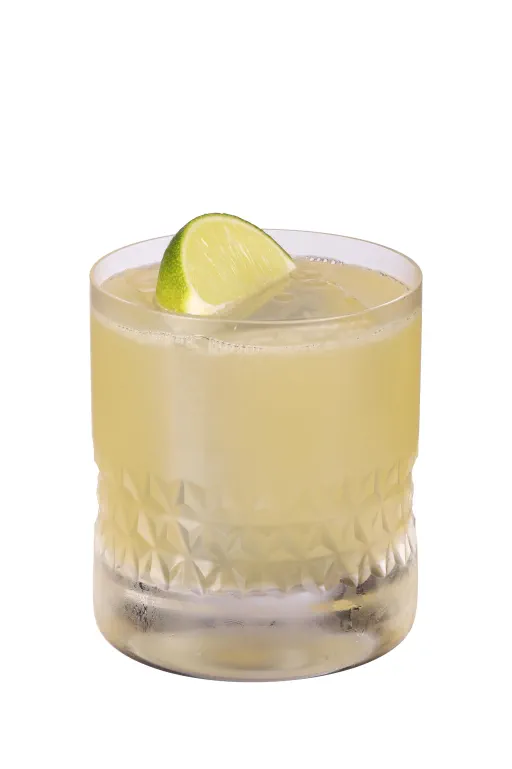
Quite enjoyable and a nice change from the standard Margarita. I'd start charging my friends $40 for it but then I'd not have any friends...

Loved it. I made it to instructions and then experimented by adding 2 dashes of Scrappy's Lavender bitters.