
What is Sherry?
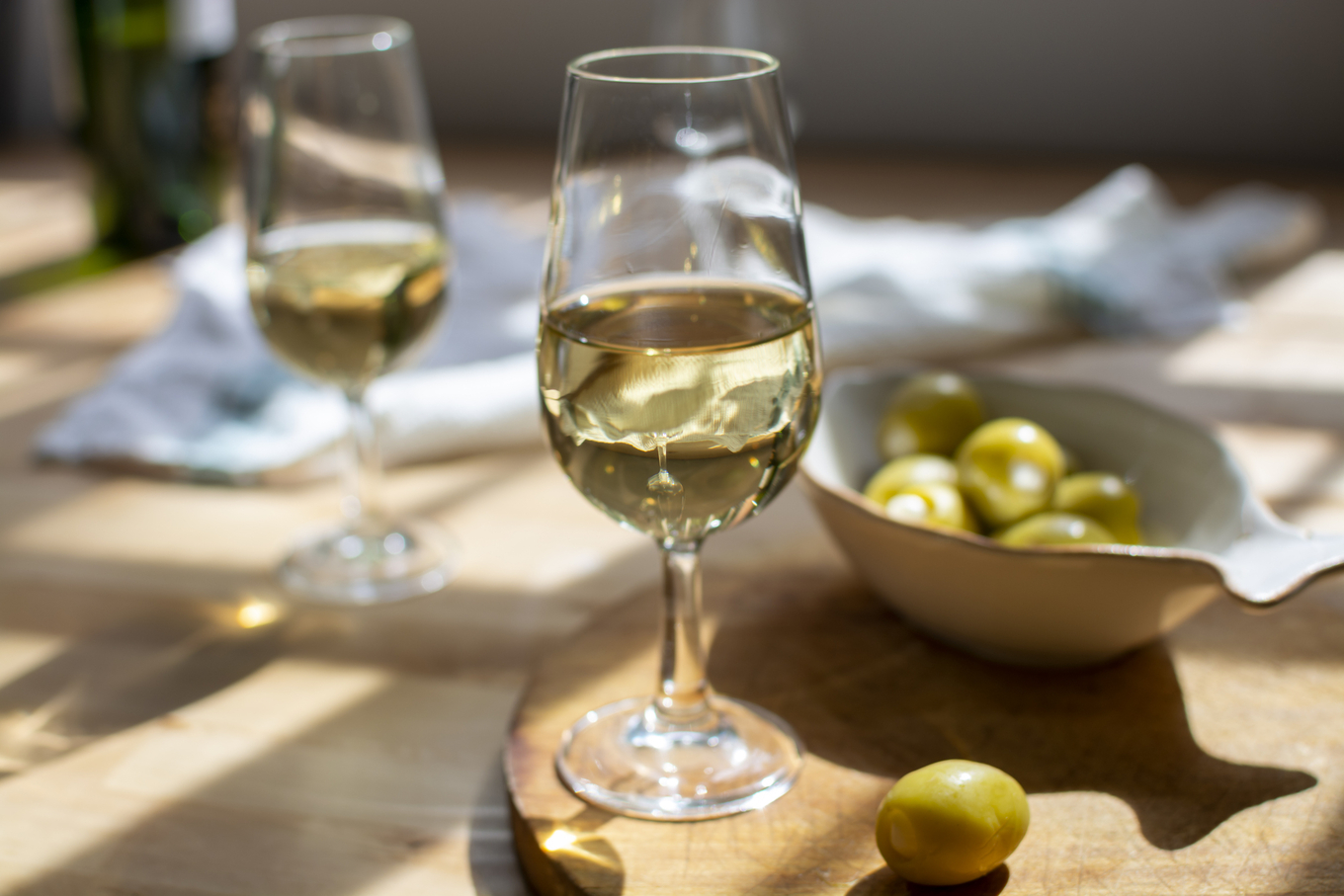
Sherry is a fortified wine from the province of Cádiz in southwest Spain, and is particularly identified with the town of Jerez de la Frontera, where the sherry industry is centred. Thanks to the sherry industry, Jerez (pronounced "hair-RETH") is the largest city in the region.
The word "Sherry" comes from "Sherish", the name given by the Moors to the current town of Jerez. The chronology of the name is: Xera ➡ Ceret ➡ Xeres ➡ Sherish ➡ Xerez ➡ Jerez ➡ Sherry. Sherry is the anglicised name for what the Spanish call Vino de Jerez.
Made according to centuries-old traditions and methods. Sherry is protected by the Denomination of Origin, a law constituted in 1935. This was the first Protected Designation of Origin to be legally constituted in Spain.
Sherry is fortified with high-proof grape spirit, distinguishing it from non-fortified wines. And sherry (with the exception of moscatel and pedro ximénez) is the ONLY fortified wine fortified after fermentation has finished.
Sherry is made from three noble grape varieties. (Actually, there are now six permitted due to three heritage varieties recently also permitted to help alleviate climate change. However, these 'new' varieties are yet to produce commercially available sherry.) Importantly, all these are white grape varieties. No red grapes are made into sherry.
Almost all, around 99% of sherry, is non-vintage, while the majority of table wines are identified by their year of harvest. The way sherry is matured ensures that sherries remain consistent from one year to the next, while other wine producers delight in differences between vintages.

Sherry Cocktails
Sherry has been a staple cocktail since the 1800s, appearing in many punch recipes from the period. Today, sherry plays a key role in the world's leading
Lustau
Lustau organises its wines into several range categories (or gamas) beyond just by style: Solera Familiar (Family Solera) - the core, house range Almacenistas
