


Difford cut the orange blossom water by a factor of 4 and doubled the absinthe relative to Craddock, but I stuck with Craddock's original proportions (i.e., 1 tsp orange blossom water to 2 oz gin). Not clear whether/how our imported Lebanese orange blossom water differs from Fee Bros. Orange Flower Water. My big changes were to replace Craddock's Italian vermouth with bianco vermouth and to use a lemon rather than an orange zest garnish, both of which seemed more consistent with the highly floral nature of Craddock's original drink. Excellent!
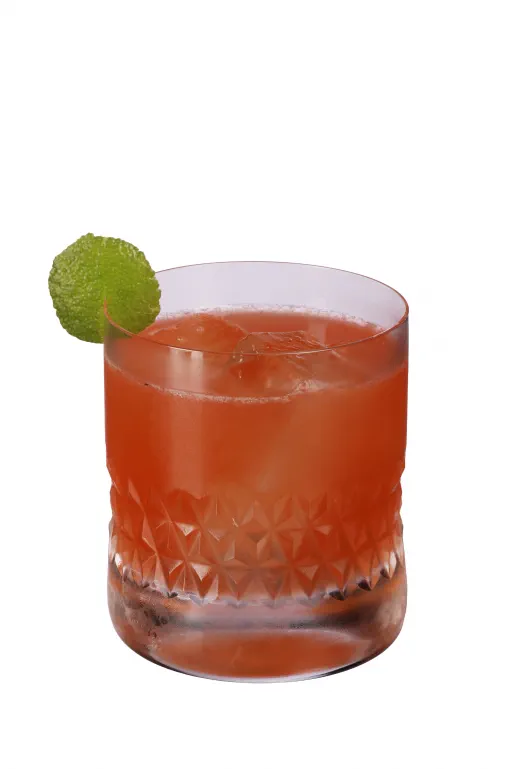
I had this 2 years ago in the bar at La Choza here in Santa Fe and found their presentation of it on Instagram. It's clearly a Naked & Famous variant so I adjusted that drink's equal-parts proportions to 3:2:2:2 when I reverse-engineered it to avoid overwhelming the sotol, which is less dominant than the smoky mezcal in Naked & Famous. At the time their bar menu said they were using Benedictine but I revisited it tonight with yellow Chartreuse in the above proportions (1 oz Hacienda de Chihuahua sotol plata and 2/3 oz each of everything else). It doesn't need ongoing dilution so I served it in coupes. An excellent cocktail to introduce someone to sotol.

If this was featured in "La Florida (El Floridita) Cocktails" then it should be called the Cuban Conservative; not exactly a Che Guevara tribute drink! Used Barcelo Gran Anejo Dominican rum with a bit of Trinidadian Scarlet Ibis. Cocchi Storico vermouth. No French Amer Picon so used American Picon (Golden Moon's Amer Dit Picon, Colorado's finest), and, following other comments, doubled it to a full teaspoon for some added bitterness. That made for a bracing, distinctive rum drink somewhere between a Rum Manhattan and a Kingston Negroni. Will NOT be confused with a Cuba Libre, which is what my wife was afraid I was making!
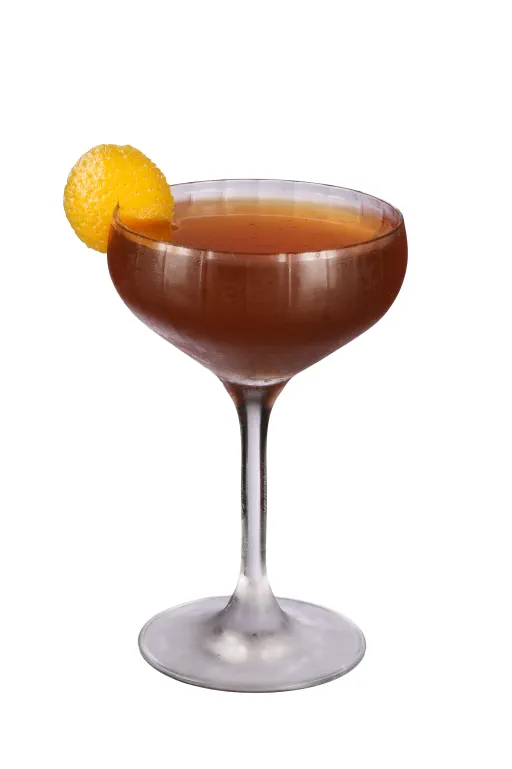
Ensslin's customers back in the day musta been tough guys; 2 dashes Grand Marnier? Maybe I have "brut" oloroso, but even with Difford's 1/2 oz orange liqueur this is barely sweet enough. Great flavors, though; a nice, simple yet complex Manhattan variant. Use a big orange zest. Be interesting to try with Lustau East India Solera sherry, might have been more like what Ensslin used.
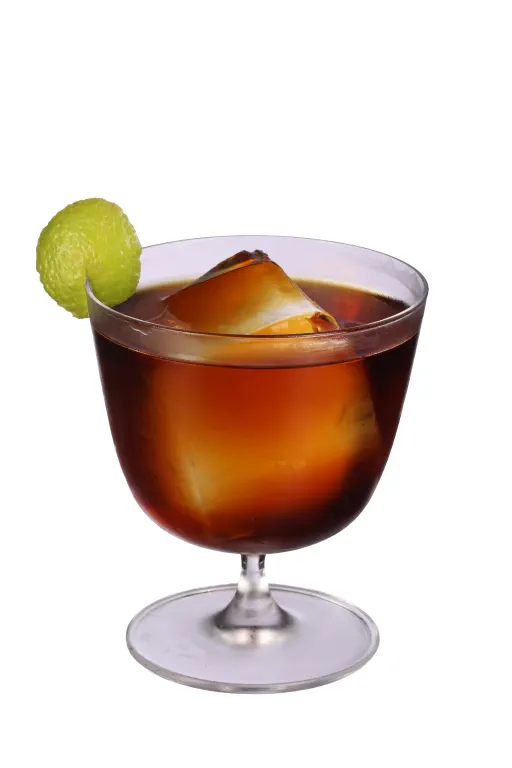
I find I don't like the amplification of bitterness when lime is paired with highly bitter liqueurs (like Cynar) so I replaced the lime twist garnish with orange, which I think works well. Used OFTD for the overproof component. Very nice, and not likely to be mistaken for a Manhattan.

I went with 3:2 proportions using Crown Royal and 'Merican Dubonnet (Kentucky's finest, the 2018 new-and-improved version, because I can't find the French stuff, but it's still better than Byrrh). This was plenty of Dubonnet; we both enjoyed it. My copy of Craddock calls for "Rye or Canadian Whisky," which is very different from specifying "Canadian Club Whisky." Many Canadian whiskies, including Crown Royal (which is made in Manitoba, after all), contain some amount of rye, and maybe in Craddock's era he was used to having more rye-heavy Canadians, so the choice of bourbon seems a significant deviation from Craddock's recipe. Does anyone know if the Dandy originated in Canada, before it appeared in Craddock's book?

After exhaustive experimentation, I have settled on a variation of Lataille's variation. I tried Golden Moon Amer dit Picon (the sanctioned US alternative to the real French thing) but this brought out a bit more bitterness from the Salers and the Byrrh. I liked it better with 3/4 oz China-China, 1/3 oz Suze, and 3/4 oz red 'Merican Dubonnet (a superior alternative to Byrrh, though I can't find the real French Dubonnet over here), and I upped the VSOP cognac to 1.25 oz with a big expressed orange zest garnish in an old-fashioned glass with ice. Excellent drink, but not really very negroni-ish.

Out here in Nuevo Mexico I wanted to celebrate Mexican Independence Day by make margaritas with Mexican limons, which are hard to find Stateside, and remembered my take on Difford's Yuzu Margarita, which probably comes close. Difford had the stunningly good idea (why didn't I think of it?!) of making margaritas with Cointreau replaced by Ferrand Limited Edition Late Harvest Yuzu Curacao but replaced the lime with yuzushu liqueur, whereas I just use yuzu juice (see his page on Yuzu Margaritas).
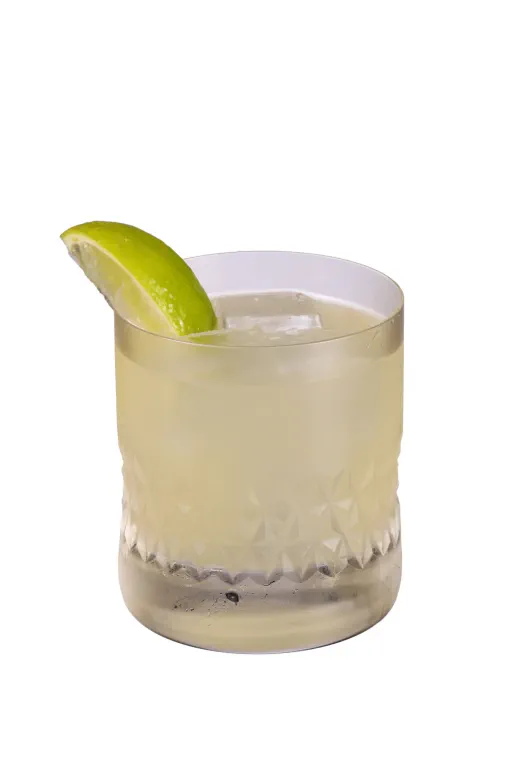
Never seen yuzushu around these parts. I stuck closer to the original concept and got Japanese Shirakiku brand bottled yuzu extract at our local Asian market. It tastes like a sour version of a ripe Mexican limon, somewhere between American limes and lemons in flavor, maybe like a ripened Key lime, maybe with a hint of grapefruit (but not too much). Fresh yuzu may be available in-season (mid-winter). I used Difford's proportions (2:1:1), including the agave and saline, and I like adding 1/4 oz mezcal for a smoky "Mexican" complexity touch and garnishing with a lemon twist (or yuzu twist, if you got it). This yield a distinctive, orange-free variant that will not be confused with a "lemon juice margarita."
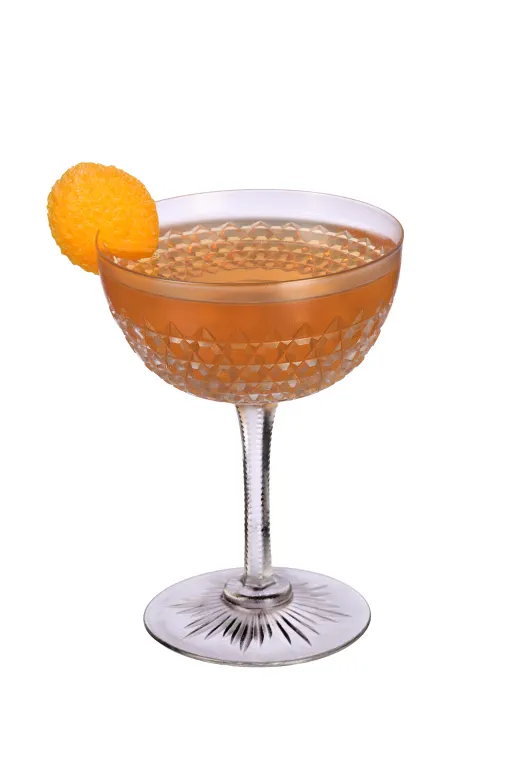
Assuming that orange eau de vie was unsweetened back in 1895, using 40% Cointreau is quite a bit sweeter. I steep orange zests in Wray & Nephew overproof white rum for drinks that need more orange but not more sugar, so I replaced 1/3 oz of the Cointreau with my homemade orange eau de vie. This was wonderful, plenty sweet, taming the rye in a manner one doesn't usually encounter.
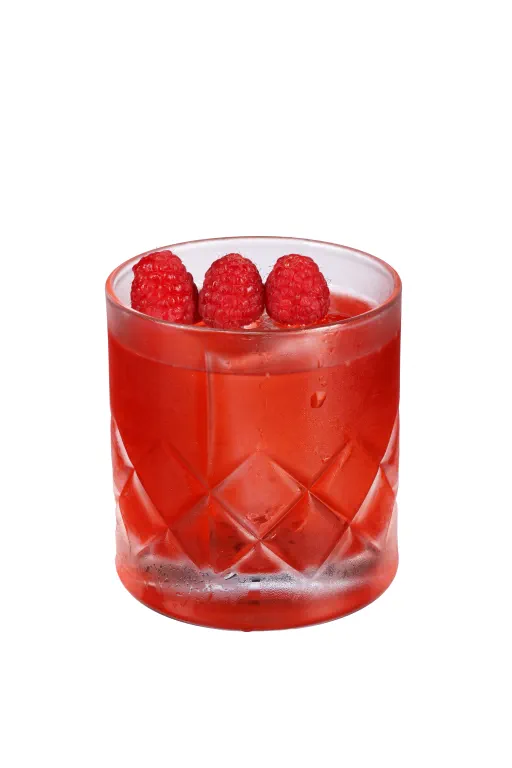

24 hour steep was superb. Drew out some of the more savoury/vegetal flavours from the raspberries. Did a double measure of the liquid to roughly two tablespoons of raspberries smooshed up. Pure raspberry-sloegroni bliss! Payneful it certainly was not.
Could definitely batch this for summer parties. When you’re ready to serve, add roughly 10ml water per serving and pour straight over a Rock. I’m guessing that leaving undiluted for the steep will improve extraction.
5 raspberries, not 4.
Gin, not rye.
Shaken, not stirred.
Use a julep strainer to hold back the ice & raspberry mush when you pour it into a strainer over the old-fashioned glass. Outstanding negroni variant!

I don't normally make drinks with egg whites but we had a bunch of freshly separated whites so I tried this. Used 8 raspberries and Chambord instead of sugar syrup so it was really fruity. My wife liked the pink foam but all that shaking, pouring and straining makes tiki drinks look simple in comparison. Bartenders should charge extra for this drink!
To be clear, you can't actually patent a color per se. The patent Perkin got on mauveine was for the first (synthetic) aniline dye, which had a purple color he dubbed "mauve." If you'd prefer to celebrate mauveine's discovery with something drier than the Parma Violet Spritz, I recommend a variant of Difford's Flower Power Martini made with Empress 1908 Indigo Gin. As I point out in my note on the Flower Power, "The Empress 1908 Indigo gin gives the drink a much more shagadelic violet color...."

Went with Peat's Dragon to celebrate The Song of Fire & Ice by local author George R.R. Martin.

Use a peaty Islay rather than a Speyside for this. Orange cognac liqueur didn't sound right so I went with the more lemony Ferrand Limited Edition Late Harvest Moroccan Yuzu Curacao. And it should be shaken, not stirred, to incorporate the freshly ground black pepper into the drink. The pepper complements the peat and teases your palate all the way down without overwhelming the drink. A good choice to commemorate the start of The Song of Fire & Ice.
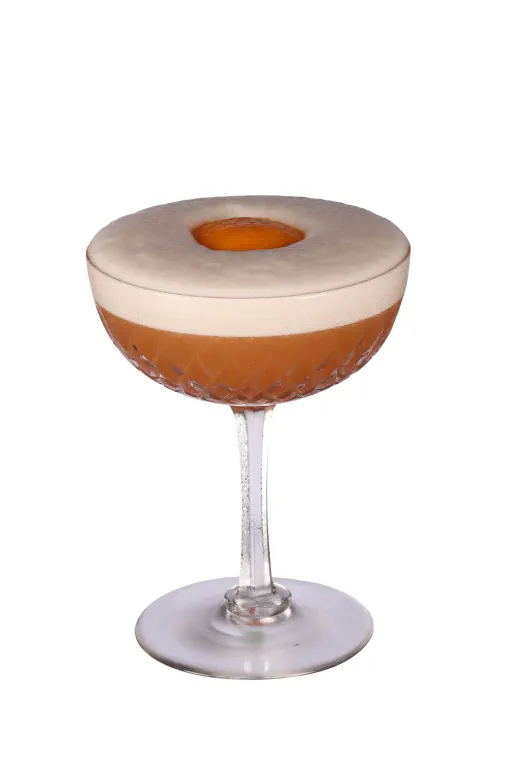
Gotta love a 'late night nipple' now and again!
Maybe that was the variation in Ensslin's 1916 edition. Whatever its pedigree, it's on my Wish List now.

Tried both spec and CB’s Valentino style. Reading the description for Martini rubino vermouth, I split the Campari with Select, actual vermouth was carpano. Two dashes of my favourite Bitter Truth orange bitters. Wonderful orange notes balancing the richness and bittersweetness of the other ingredients. I combined remy Martin and Camus cognacs to happy effect. A fitting celebratory libation for the end of my working year!
I should have referred to 2:1:1 proportions as "Boulevardier style" since Valentinos are nominally 4:1:1, which is quite lean. I finally got some Martini & Rossi Riserva Speciale Rubino Vermouth (while traveling in Portland Oregon!) and was able to pair it with their Riserva Speciale Bitter in an Independence Day Celebration using Braastad VSOP. What a combo: just the right balance of sweet and bitter with neither showing to excess, and the complexity of the vermouth and the bitter pair up like they were meant to be combined this way. Don't know if this was how D'Ercole originally designed it but this version alone merits another half star.

A daiquiri infused with basil and sweetened with honey sounded promising, and the herbal character of the basil suggested pairing it with a rhum agricole; I used Rhum J.M rhum agricole blanc. This worked *very* well (use lots of basil and muddle well) and makes for one of my favorite variations that doesn't stray too far from the standard daiquiri recipe. I used 10:3:2 proportions instead of the sweeter proportions given above. Playing with a local honey choice as suggested by G.M. Genovese adds another degree of freedom to explore; I used a 3:1 syrup of Colorado mountain flower honey.

A gin-based variant of the mint julep. My wife just planted a bunch of basil for the summer so we had to try this to celebrate World Gin Day. Next time I'll try serving it over crushed ice in our olde julep cups.

A very good drink to sip on the beach. Just had one in Grenada but garnished with a dusting of ground Nutmeg rather than banana wedge. A local touch and very good.
I second the ground nutmeg recommendation. Adds a very nice touch.
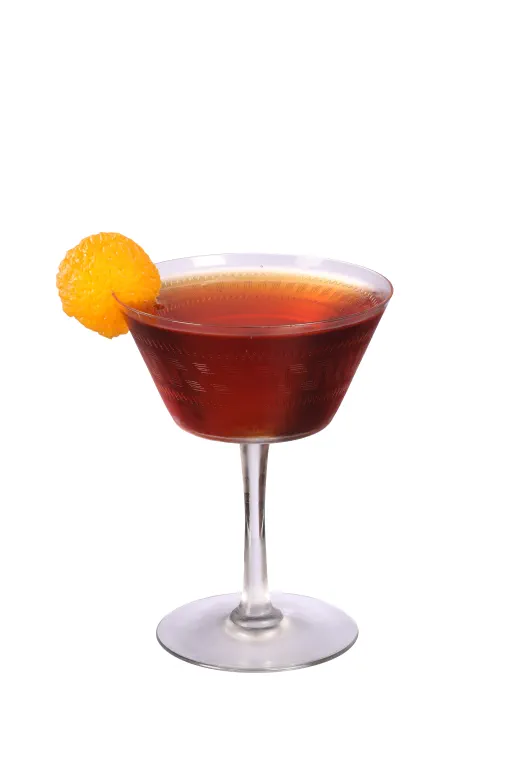
Delightful combination of ingredients not usually found together. Hamilton Jamaican Pot-Still Black Rum gave the rum some prominence in this mix, but the Carvalhas Tawny contributed its share. Not sure sweet white port would work as well; this doesn't need extra sweetener. I added both orange and lemon twists.
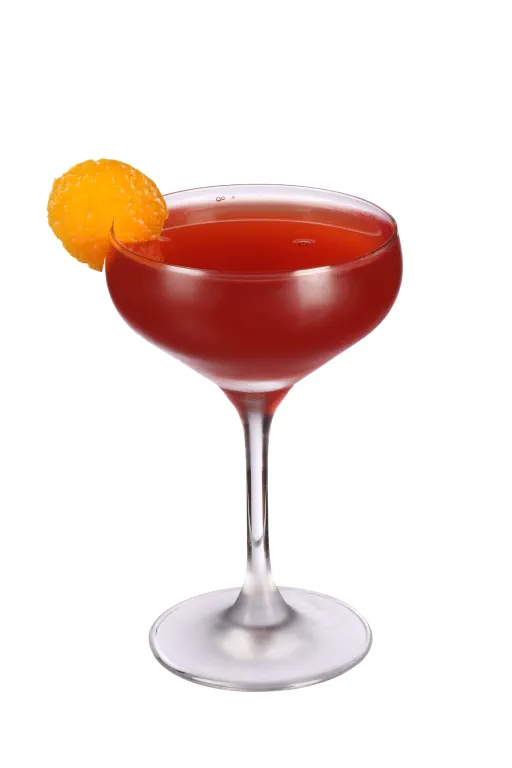
Nice to have more tequila aperitif cocktails that have some bittersweet herbal notes and bear no resemblance to a margarita. The Amaro Montenegro works well with the tequila in this. Kristi suggests adding a pink edible flower to the garnish for a little extra flair. Could use another drop or 2 of rose water; I had no idea whether we had any but Kristi went to the pantry and immediately returned with a bottle so I had to make it. No idea what the name means other than referencing the pink color. Highly recommended.
One detail: no fresh pomegranates to squeeze so I used pomegranate liqueur, which seems to have worked fine.
Nice to have more tequila aperitif cocktails that have some bittersweet herbal notes and bear no resemblance to a margarita. The Amaro Montenegro works well with the tequila in this. Kristi suggests adding a pink edible flower to the garnish for a little extra flair. Could use another drop or 2 of rose water; I had no idea whether we had any but Kristi went to the pantry and immediately returned with a bottle so I had to make it. No idea what the name means other than referencing the pink color. Highly recommended.
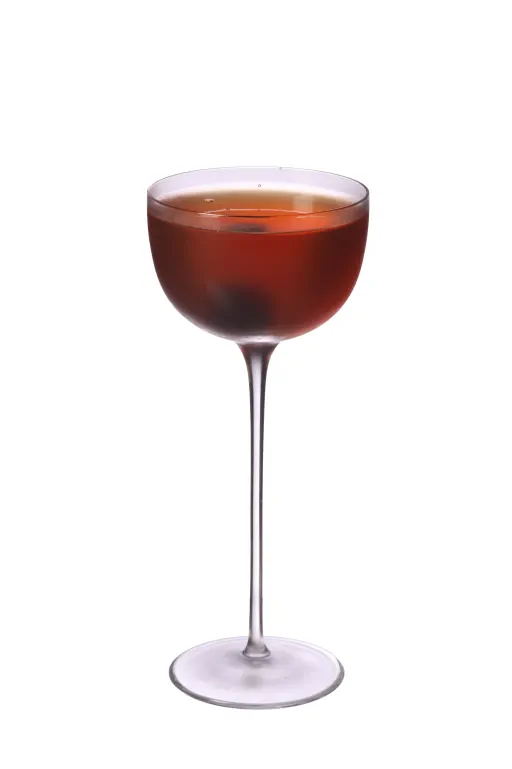
Needs plenty of dilution, especially if using Rittenhouse, as I was. Would be interesting to try with other and lower abv ryes. Was really enjoying the Woodford reserve recently, bottle now sadly finished. Hayman’s sloe gin.
Great Manhattan variation. Hayman's "slow" gin really mellows the spirituous Whistle Pig PiggyBack rye, which is only 96.56 proof according to the bottle but 100% rye. Difford's 3:2 proportions are about right with these ingredients. And as The Man Behind The Bar I was careful to use Nick & Nora's as you stressed; Kristi says we should watch "Thin Man" movies while sipping these.