
No alcohol
Medium
Boozy
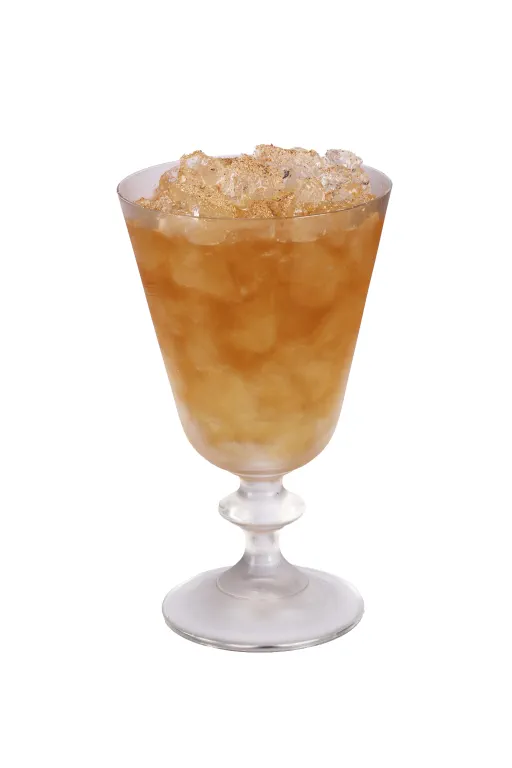
| 2 1⁄2 fl oz | Rainwater/Verdelho (med-dry) madeira wine |
| 1⁄4 fl oz | Sugar syrup 'rich' (2 sugar to 1 water) 65.0°Brix |
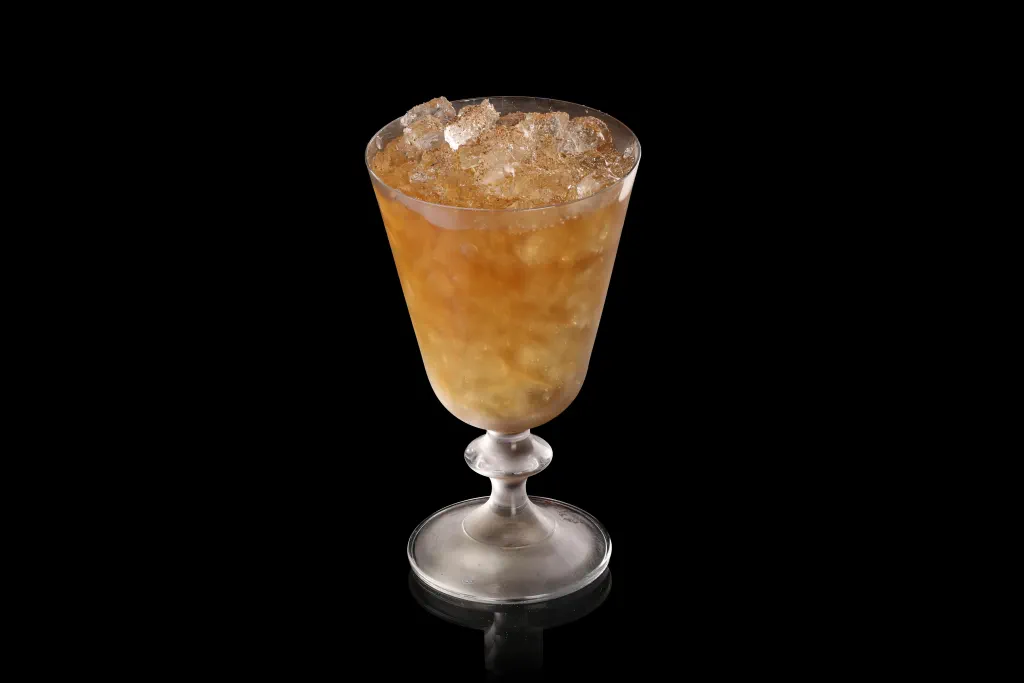
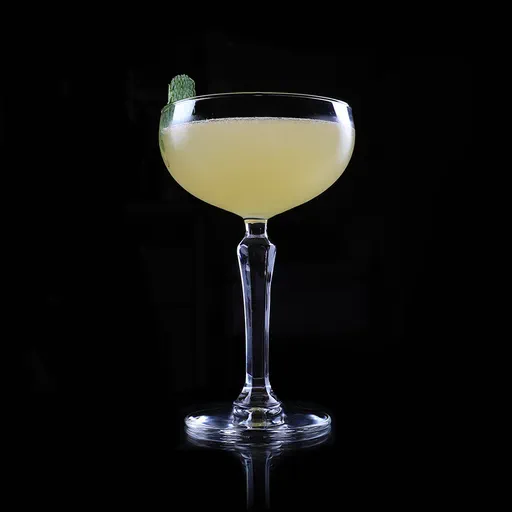
Photographed in an Urban Bar Umbo 23cl Glass
The Sangaree is among the oldest cocktail families, originating in the late 17th-century Caribbean as a madeira punch.
One of the earliest known references dates to 1694, when the French missionary Jean-Baptiste Labat encountered a drink in Martinique called Sang-Gris. He records his 1724 book Nouveau voyage aux îles de l'Amérique as an English drink made from Madeira wine with sugar, lemon juice, cinnamon, clove, and nutmeg. Although more elaborate than the Sangarees that followed, this combination of wine, sugar, dilution and spice is the Sangaree family DNA.
The first is called Sang-gris, and consists of Madeira wine, which is put into a bowl of crystal or faience with sugar, lemon juice, a little cinnamon and clove powder, plenty of nutmeg, and a crust of toasted or even somewhat burnt bread. When you think the spirit has taken on the flavour of the things you put in it, you pass it through a fine cloth.
Jean-Baptiste Labat, Nouveau voyage aux îles de l'Amérique, 1724
The origin of the name is less certain. Labat interpreted Sang-Gris as meaning "grey blood", apparently a term used for a variety of grey mare in the British horse trade. The similarity between Sangaree and the Spanish 'sangre' (blood), and hence Sangria, has led to unsubstantiated speculation that the Sangaree evolved from Sangria, or vice versa.
By 1736, a drink called "Sangre" was being reported in London. In response to restrictions on the gin trade enacted in the 3rd Gin Act, which imposed a two-gallon minimum unit of sale, swingeing duties, and a licensing fee, according to volume 6 of The Gentleman's Magazine, "Mr Gordon, a Punch-seller in the Strand, had devised a new Punch made of strong Madeira Wine, and called Sangre." This reference, coupled with Labat's account some four decades earlier, suggests that Madeira was central to the earliest form of Sangaree.
During the 18th century, the drink travelled widely through the West Indies, Europe and North America, and by the 1780s the spelling "Sangaree" was established. Recipes varied, but typically combined wine, water, and sugar, often with citrus and spice. Nutmeg, usually freshly grated over the finished drink, became particularly characteristic.
During the first half of the 19th century, Sangaree evolved from the name of a particular wine drink into a whole category of mixed drinks. Wine remained common, but recipes also appeared based on spirits, ale and porter. Sangarees could be served hot or cold, with shared characteristics of a sweetened alcoholic base, dilution, and, almost invariably, nutmeg.
Jerry Thomas illustrates this evolution in his seminal 1862 The Bar-Tender's Guide with recipes for Port Wine Sangaree, Sherry Sangaree, Brandy Sangaree, Gin Sangaree, Ale Sangaree, and Porter Sangaree. Curiously, although seemingly fundamental to the drink's beginnings, there is no Madeira Sangaree. The six Sangaree he includes show how broad the Sangaree category had become by the middle of the 19th century.
Sangaree, particularly Port Wine Sangaree, remained popular throughout much of the 19th century and even appeared in literature, but gradually fell out of fashion as the rapidly developing American bar produced cobblers, sours, fizzes, and increasingly elaborate cocktails. By the early 20th century, Sangaree had largely disappeared from drinking culture.
A light summertime aperitivo.

Makes a minimum of 100 cocktails.
Shipping and applicable tax calculated at checkout.
Orders are processed by a licensed Fulproof retailer. The buy now button is added simply for convenience.
* May not include all ingredients. Price per cocktail is an estimate based on cost of one cocktail with ingredients shown above and does not include shipping.
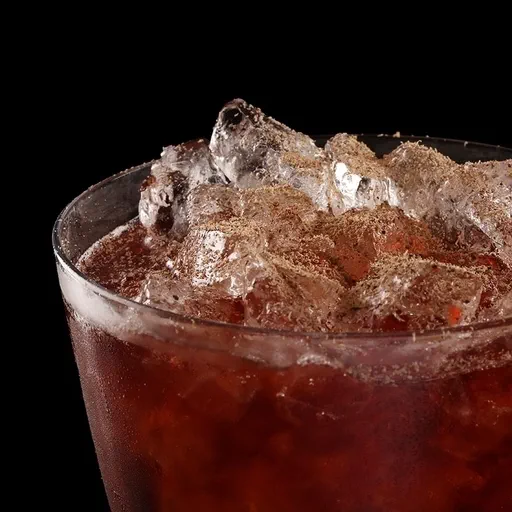
When perfect dilution is achieved, a Port Sangree is delicious, and that requires good cubed ice, cold dry crushed ice, and powdered sugar. Even a...
View more
Diluted and sweetened gin tastes great. Not many know that!
View more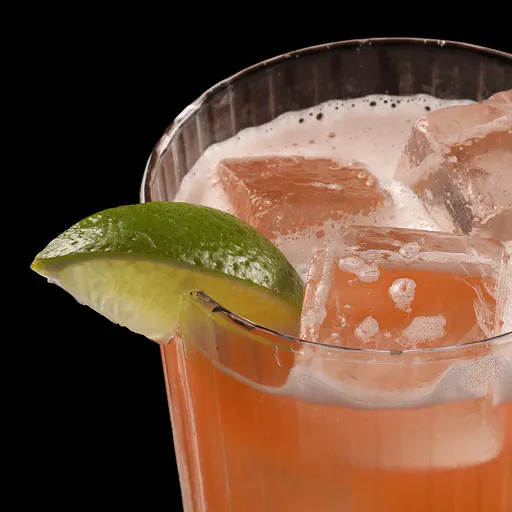
Reminiscent of a Naked & Famous turned tropical.
View more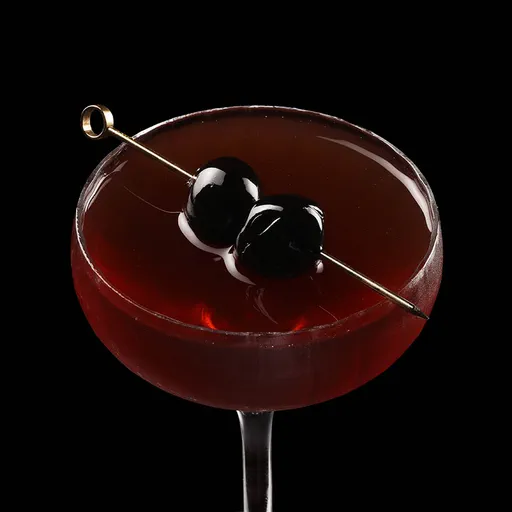
A Manhattan variation created to help promote US-made Dubonnet Rouge, but is best made with French Dubonnet Red, or indeed another red quinquina.
View more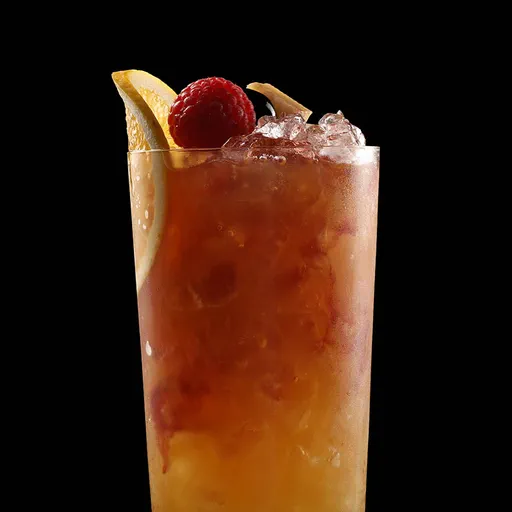
This recipe (by yours truly in August 2026) combines elements from various vintage Roman Punch recipes to produce a cooling fruity sour laced with...
View more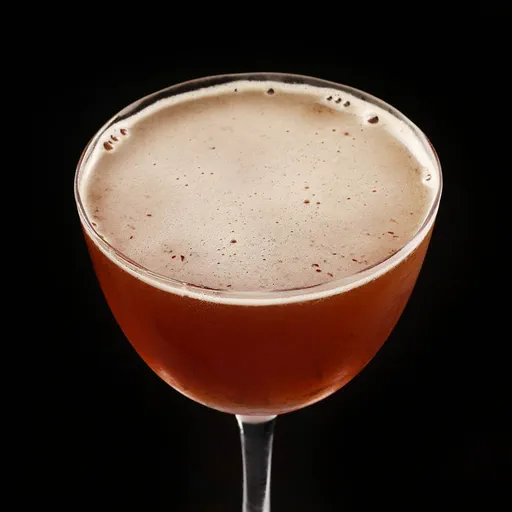
Most bartenders would stir this cocktail, as per Robin's original recipe. However, when shaken, this cocktail develops an attractive foamy head and a...
View more

Comments & Discussion
Be the first to comment on Sangaree.