
No alcohol
Medium
Boozy
Join thousands of like-minded professionals and cocktail enthusiasts, receive our weekly newsletters and see pages produced by our community for fellow Discerning Drinkers.

| 2 1⁄2 fl oz | Bourgogne Aligoté wine white (chilled) |
| 5⁄6 fl oz | Crème de cassis liqueur (chilled) |
| 4 drop | Fee Brothers Orange Flower Water (optional) |
| 2 1⁄2 fl oz | Bourgogne Aligoté wine white (chilled) |
Photographed in an Urban Bar Gradara Flute
One serving of Kir Apéritif contains 183 calories
Recipe contains the following allergens:
The Kir Apéritif is thought to have first been mixed in 1904 by a waiter called Faivre (pronounced "Feh-V-r") at the Café George, 42 Rue de Montchapet, Dijon, France. (The address is now a combined bar and tobacco shop called Café Le Montchapet).
Faivre's new drink became known as the 'Cassis Blanc', but is now better known simply as "Kir" due to its promotion by a colourful politician and WWII resistance hero named Canon Félix Kir. During his tenure as Mayor of the French city of Dijon, he sought to promote regional products at official functions. The Cannon popularised the concoction of locally made crème de cassis and Bourgogne Aligoté white wine and it quickly became known as Canon Kir's aperitif, then Father Kir's and finally as just Kir.
Félix Kir led quite a life. He was a Catholic priest at the outbreak of the Second World War and became a major resistance fighter against the German occupation, earning him the French Honour Cross. In 1945, he became a member of the French Parliament as a 'député' and the mayor of Dijon, an office to which he was re-elected four times and held until his death (aged 92) in 1968.
Bourgogne Aligoté is an Appellation d'origine contrôlée (AOC) white wine produced from the Aligoté grape variety in France's Burgundy region. Bourgogne Aligoté tends to be light and acidic in style and usually unoaked. The appellation allows up to 15% Chardonnay to be blended into Bourgogne Aligoté, so we suggest substituting with an unoaked Chardonnay if you are unable to source Bourgogne Aligoté. However, Chardonnay tends to lack the high acidity characteristic of Bourgogne Aligoté, which so perfectly balances the sweet, rich crème de cassis.
In 1951, when the Kir was becoming well-known, Roger Damidot, the then owner of the Lejay-Lagoute brand of crème de cassis, the largest liqueur producer in the region, asked the mayor for his authorisation to use his name [Kir] commercially.
Probably flattered, the mayor agreed and on 20-November 1951, on a French National Assembly letterhead, wrote: "Canon Félix Kir, Member of Parliament and Mayor of Dijon, gives exclusively to the house of Lejay-Lagoute, currently represented by Roger Damidot, the right to use his name for blackcurrant liqueur advertising purposes, in the form he sees fit and notably designate a 'vin blanc cassis'." Armed with this letter, Lejay-Lagoute patented the brand name Kir in March 1952.
Years later, after seeing the growing popularity of kir as an aperitif, Félix Kir sought to offer other cassis makers the same privilege, but because Lejay-Lagoute had already registered the Kir trademark, he was too late. Numerous court challenges ensued, culminating in the case reaching the highest French court, the Cour de Cassation, which on 27 October 1992 confirmed Lejay-Lagoute's exclusive rights to the Kir trademark.
Following their legal triumph, Lejay-Lagoute registered Kir Royale, and Lejay-Lagoute now produces a pre-mixed bag-in-box Kir and pre-mixed bottled cassis and sparkling wine called Kir Royale.
Traditionally made with one-third crème de cassis to two-thirds dry white wine, but this tends to be too sweet for modern palates. I recommend a ratio of 1 part cassis to 5-7 parts Bourgogne Aligoté white wine. The above formula is 6:1, and at this concentration, the mix of blackcurrant and wine is clean, crisp and not too sweet.
Kir Royal or Kir Royale with champagne is perhaps more popular than the Bourgogne Aligoté -based Kir Apéritif, and there are numerous other variations:
Cardinal - with Pinot Noir Burgundy wine in place of white wine.
Cidre Royal - made with cider in place of wine, with a measure of calvados also added.
Communard - with red Gamay Beaujolais wine in place of white wine.
Hibiscus Royal - with sparkling wine, peach and raspberry liqueurs, and garnished with a hibiscus flower.
Kir Impérial - made with crème de framboise or another raspberry liqueur such as Chambord in place of cassis, and with champagne in place of white wine.
Kir Berrichon - named after Berrichon, a French dialect spoken in the French province of Berry, and made with red wine and crème de mûre in place of crème de cassis.
Kir Bière or Tarantino - made with lager or light ale in place of wine.
Kir Breton - made with Breton cider in place of wine (Breton is a Celtic language spoken in Brittany, France, where Breton cider is made).
Kir Normand - made with Normandy cider in place of white wine.
Kir Pamplemousse - made with grapefruit liqueur and sparkling white wine.
Kir Pêche - made with peach liqueur in place of crème de cassis.
Kir Pétillant - made with crémant, cava or another sparkling wine other than champagne. (Pétillant is French for sparkling.)
Pink Russian - made with milk in place of wine.

Palate-cleansing, pre-dinner cocktails, often bittersweet and moderately alcoholic.
View more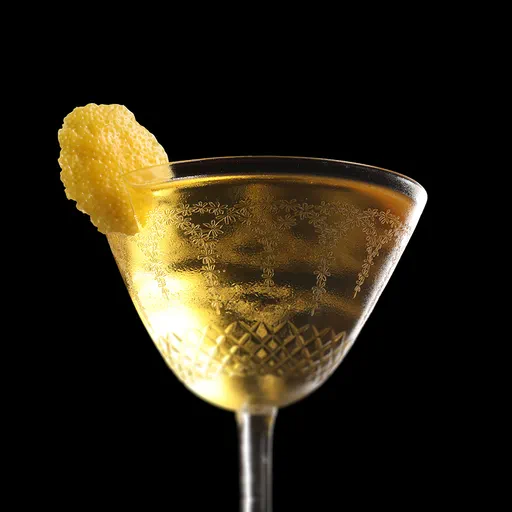
Classic cocktails are found in vintage recipe books from the mid-1800s to the 1980s.
View more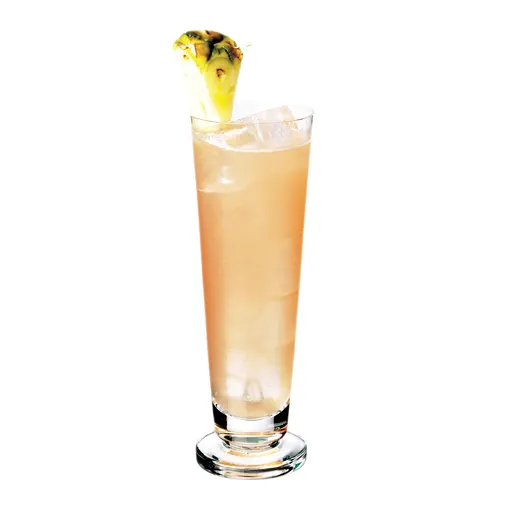
Cocktails where one of more fruits are the predominant flavour.
View more
Refreshing summer coolers, suited to enjoying on warm days and nights.
View more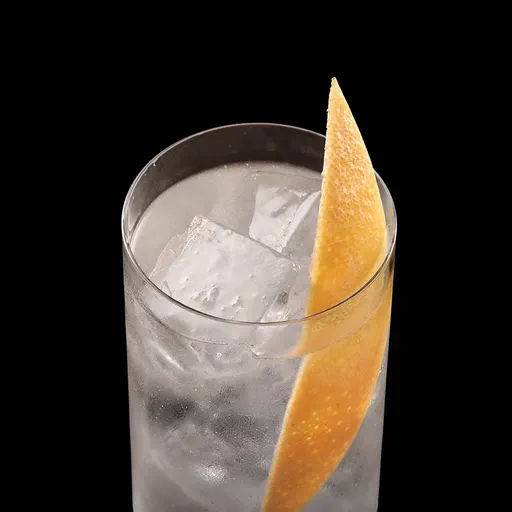
This "Martini" might be lengthened with lemonade, but it retains the essence of a proper Dry Martini, both in flavour and punch. As with a Martini...
View more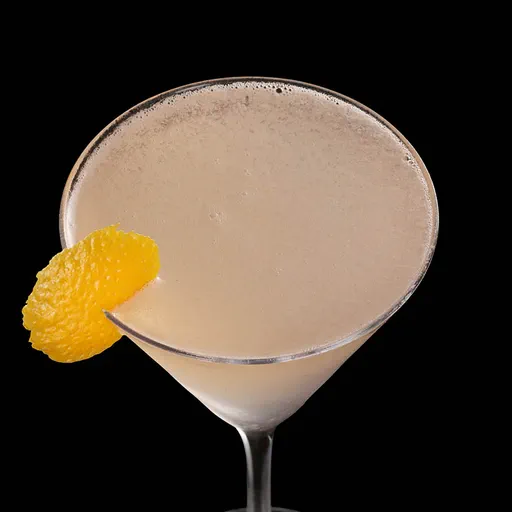
Zesty with the sharp freshness of grapefruit and a hint of orange, rounded with dry vermouth.
View more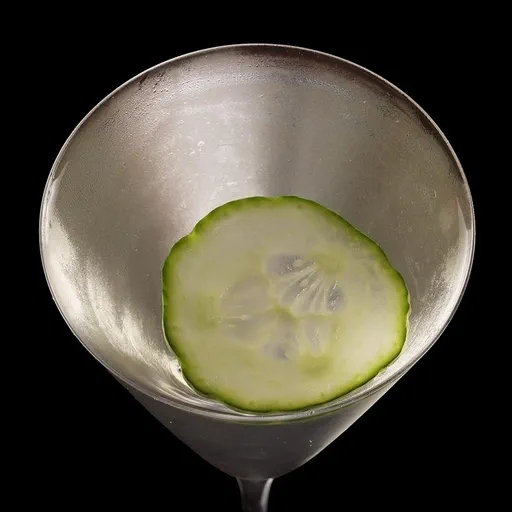
A Vodka Martini given a Japanese influence with sake and Japanese whisky. Omit the sugar syrup if you like your Martinis bone dry.
View more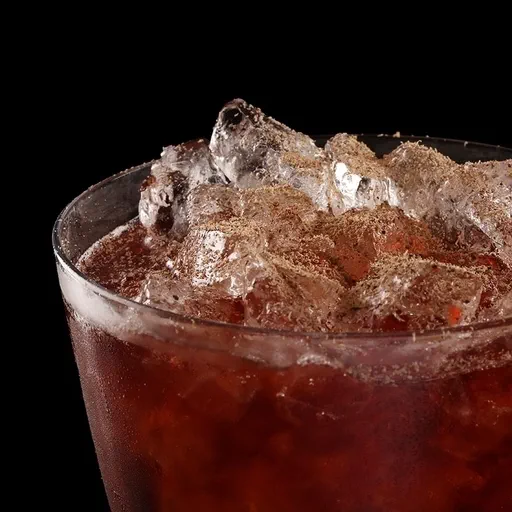
When perfect dilution is achieved, a Port Sangree is delicious, and that requires good cubed ice, cold dry crushed ice, and powdered sugar. Even a...
View more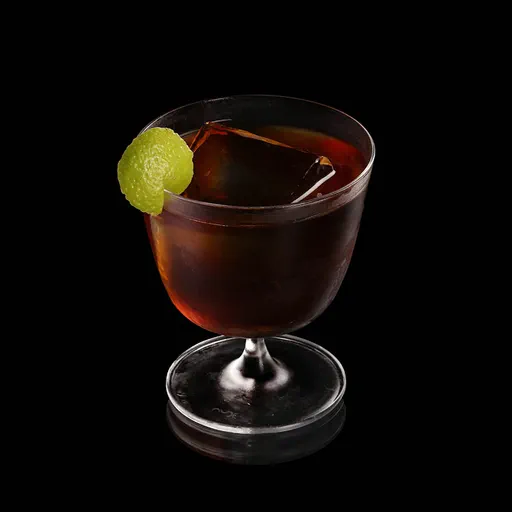
Comments & Discussion
View 6 comments and discussion