White Lion (David Embury's recipe)

| 2 fl oz | Light white rum (charcoal-filtered 1-4 years old) |
| 1⁄4 fl oz | Cointreau L'Unique triple sec liqueur |
| 1⁄4 fl oz | Monin Grenadine Syrup |
| 1⁄2 fl oz | Lime juice (freshly squeezed) |
| 1 fresh | Lime shell (squeezed/spent lime husk) |
| 1⁄6 fl oz | Sugar syrup 'rich' (2 sugar to 1 water) 65.0°Brix (optional) |
Garnish: Lime wedge on rim
How to make
Glassware
Serve in a Coupe glass
Method:
SHAKE all ingredients, including the shell of half a lime, with ice and fine strain into chilled glass.
Health & Nutrition
Alcohol content:
We don't have enough information to calculate the alc./vol., but based on known ingredients, this recipe contains at least:
- 21.3 grams of pure alcohol
History
Adapted from a recipe purloined from David Embury's seminal 1948 book, The Fine Art of Mixing Drinks. Embury had a dry palate so we've added a spoon of sugar syrup to his recipe, which, depending on your palate, you may want to reduce or omit this.
Embury does the While Lion an injustice by saying, "This, of course, is simply a White Lady without the egg white and with lime juice in place of lemon". That might sum up his version but the original White Lion in Jerry Thomas' 1862 The Bar-tenders Guide is so much more.
Review
Please don't judge this recipe until you have experienced this fruity Daiquiri made homemade "grenadine" (1 part freshly pressed pomegranate juice and 2 parts caster sugar). Then you'll end up with a delicious cocktail with an off-white hue. With commercial grenadine syrup, this cocktail can have a jammy flavour and is likely to be bright cherry red - hardly a 'White' Lion. That said, some prefer cherry red and jammy!

Makes a minimum of 12.5 cocktails.
Shipping and applicable tax calculated at checkout.
Orders are processed by a licensed Fulproof retailer. The buy now button is added simply for convenience.
* May not include all ingredients. Price per cocktail is an estimate based on cost of one cocktail with ingredients shown above and does not include shipping.
See more...
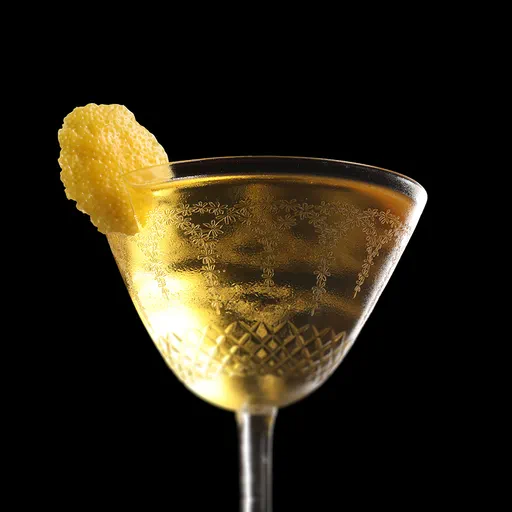
Classic cocktails are found in vintage recipe books from the mid-1800s to the 1980s.
View more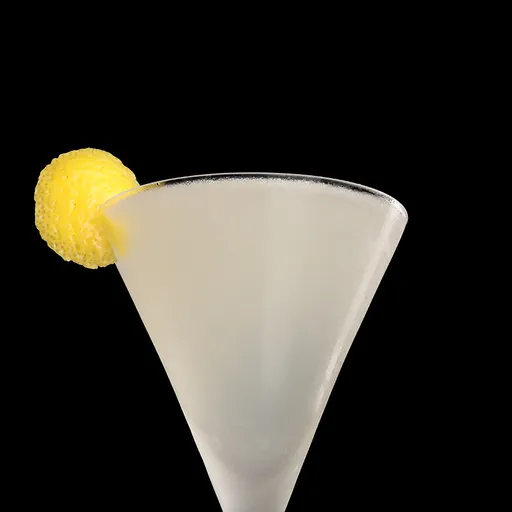
Sherbety lemon. Well-balanced and refreshing, but not really a Martini.
View more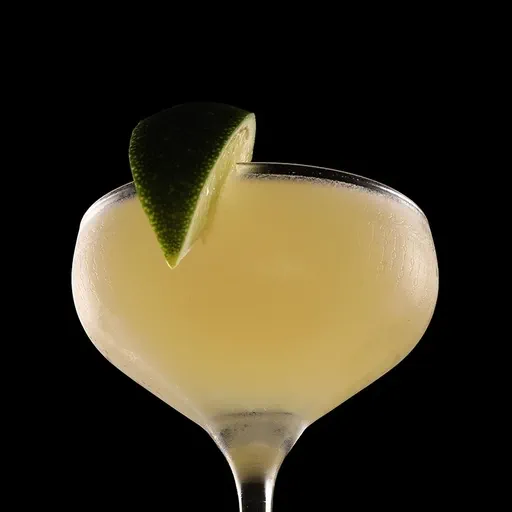
Elderflower and chili spice lead this Margarita, but tequila is given space to shine.
View more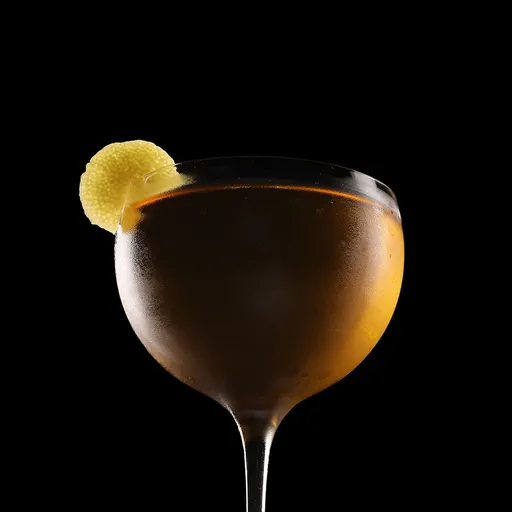
A Bijou with a red bitter liqueur rinse. Orange bitters might suggest an orange zest twist would better suit this cocktail, but the cleansing, drying...
View more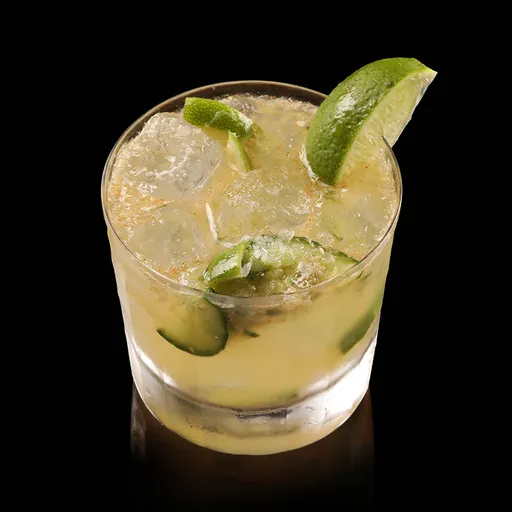
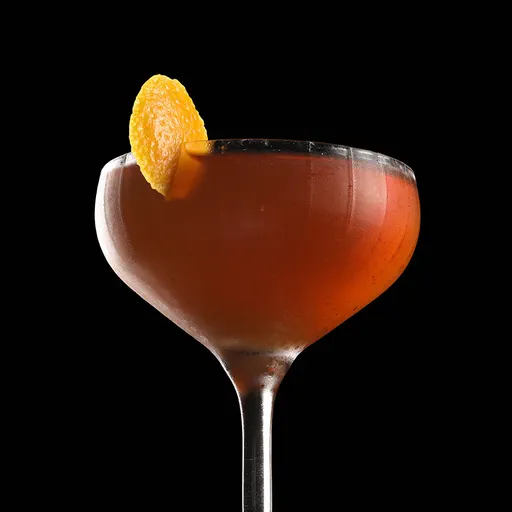
A sherry-influenced Manhattan variation with cognac orange liqueur.
View more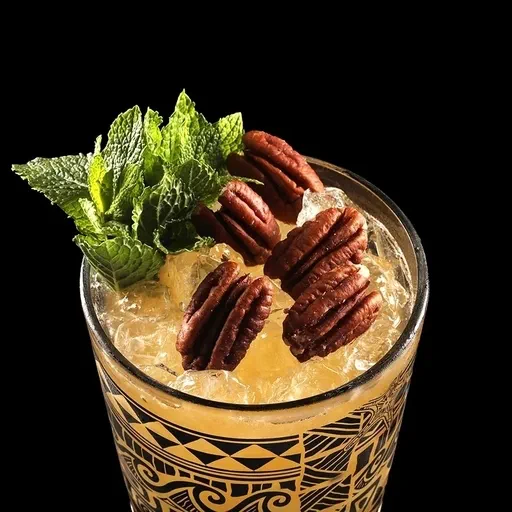
The tiki classic reimagined with nutty pecan notes.
View more
Comments & Discussion
Cocktail recipes usually state simple syrup (1:1 sugar and water) or strong simple syrup (2:1 sugar and water) but on page 101 of my copy of David Embury’s “Fine Art of Mixing Drinks” he says “I have found that a mixture of 3 cups of sugar to each cup of water yields a very satisfactory syrup.” So he’s really using 3 measures of simple syrup when he calls for 1 part of sugar syrup in his recipes. That’s not dry!
If I understand this correctly, it means that when Embury calls for 1 part of his 3:1 simple syrup, ignoring the increased dilution, one needs to use 15ml of 1:1 simple syrup or 10ml of 2:1 or 7.5ml of 3:1. Is that correct?
If so, then Embury's classic 8 parts, 2 parts, 1 part (using his 3:1) would be 8, 2, 2 using 1:1, or 8, 2, 1.33 using 2:1.
View 3 comments and discussion