No alcohol
Medium
Boozy
| 1 1⁄2 fl oz | Calvados / apple brandy / straight applejack |
| 1 1⁄2 fl oz | Cockburn's Ruby Soho Port (chilled) |
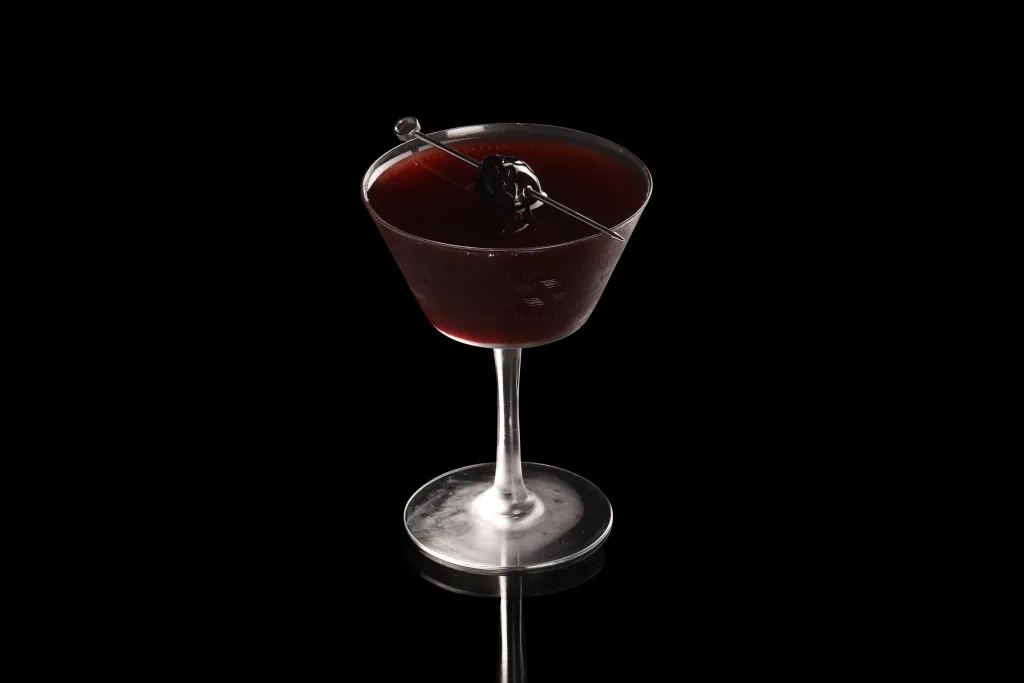
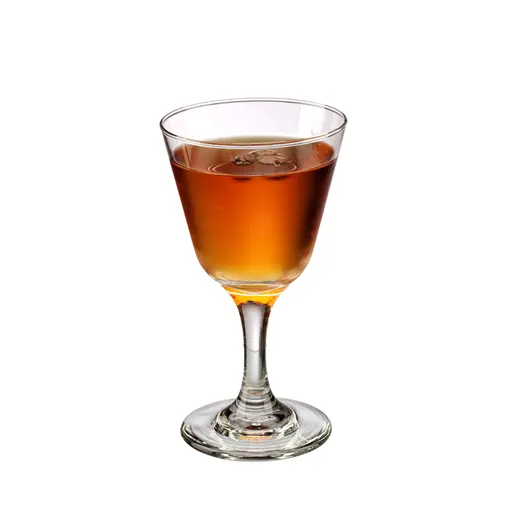
Serve in a Coupe glass
One serving of Tinton contains 181 calories
This vintage cocktail most likely takes its name from Tinton Falls in Monmouth County, New Jersey, an area connected with applejack production, as the Laird & Co. distillery is just a couple of miles away in Scobeyville. In turn, the town of Tinton Falls is named after Tinton Manor and the landmark waterfalls that powered the ironworks, which spurred the town's development.
The Tinton cocktail was first published in Hugo Ensslin's 1916-17 Recipes for Mixed Drinks and, as with so many of the recipes in Ensslin's book, it was repeated in Harry Craddock's 1930 The Savoy Cocktail Book.
TINTON COCKTAIL
Hugo Richard Ensslin, Recipes for Mixed Drinks, 1917
⅓ Port wine
⅔ Applejack
Shake well in a mixing glass with cracked ice, strain and serve.
TINTON COCKTAIL.
Harry Craddock, The Savoy Cocktail Book, 1930
⅓ Port wine.
⅔ Applejack or Calvados.
Shake well and strain into cocktail glass
The Tinton cocktail also notably appears in three other books published in 1934, Patrick Gavin Duffy's The Official Mixer's Manual, William T. "Cocktail Bill" Boothby's The World's Drinks And How To Mix Them, and R. de Fleury's 1700 Cocktails for the Man Behind the Bar.
Tinton Cocktail
Patrick Gavin Duffy, The Official Mixer's Manual, 1934
⅓ Port Wine
⅔ Applejack
Stir well with cracked ice and strain.
Use glass number 1
[Glass No.1 referencing an illustration of a stemmed Nick & Nora at the front of the book.]
TINTON
William T. Boothby, The World's Drinks And How To Mix Them, 1934
Calvados . . . . . . . ⅔ jigger
Port Wine . . . . . . ⅓ jigger
Shake well with ice, strain into chilled cocktail glass and serve.
{quote[R. de Fleury, 1700 Cocktails for the Man Behind the Bar, 1934]:TINTON
⅓ Port Wine
⅓ Calvados
Equal parts calvados and port prove surprisingly tasty and better balanced than the original two parts apple brandy to one part port. I've tried tawny and ruby ports, but the richness of ruby port produces a cocktail with a more appealing, deeper colour and flavour. A great alternative to a Manhattan.

Makes a minimum of 16.5 cocktails.
Shipping and applicable tax calculated at checkout.
Orders are processed by a licensed Fulproof retailer. The buy now button is added simply for convenience.
* May not include all ingredients. Price per cocktail is an estimate based on cost of one cocktail with ingredients shown above and does not include shipping.
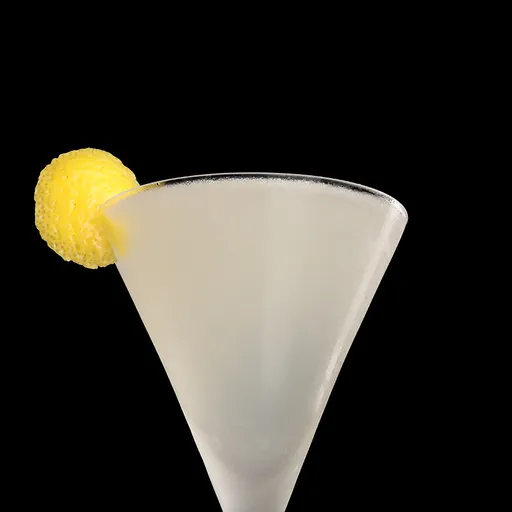
Sherbety lemon. Well-balanced and refreshing, but not really a Martini.
View more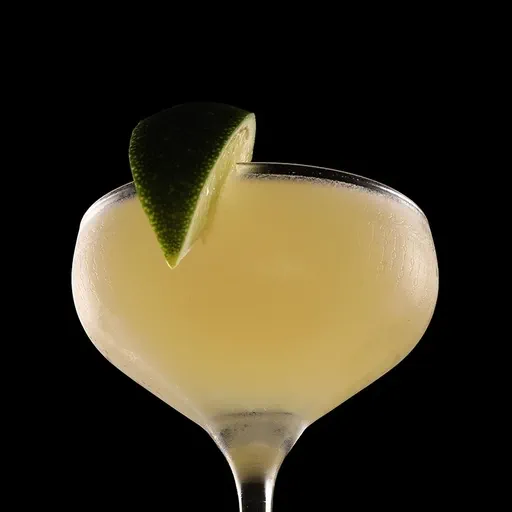
Elderflower and chili spice lead this Margarita, but tequila is given space to shine.
View more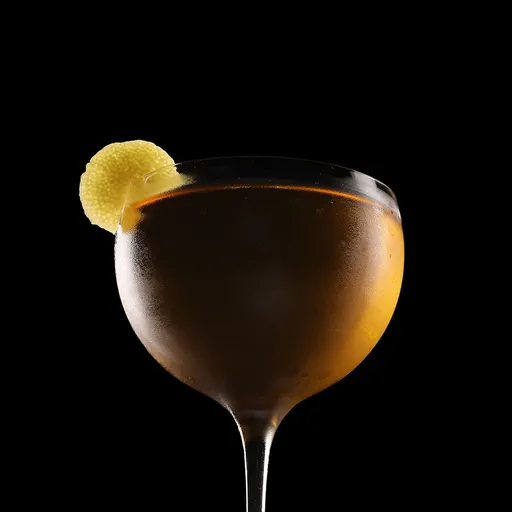
A Bijou with a red bitter liqueur rinse. Orange bitters might suggest an orange zest twist would better suit this cocktail, but the cleansing, drying...
View more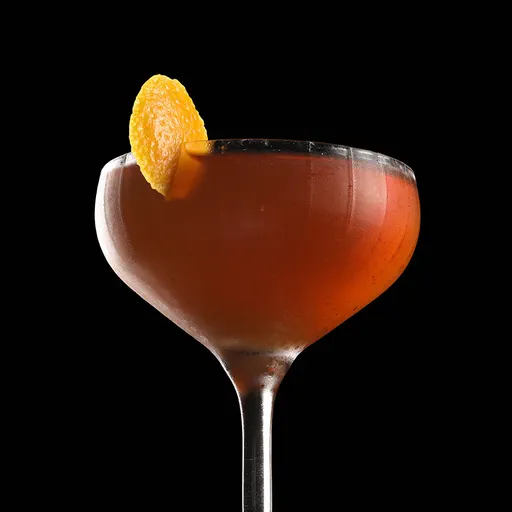
A sherry-influenced Manhattan variation with cognac orange liqueur.
View more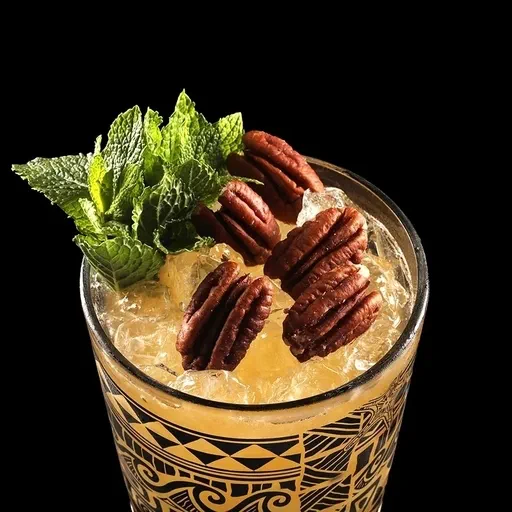
The tiki classic reimagined with nutty pecan notes.
View more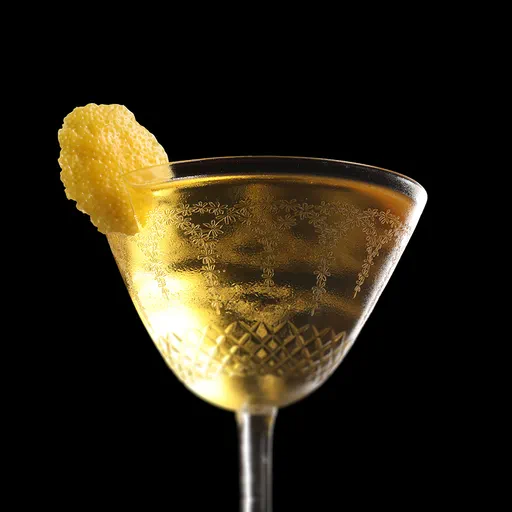
Comments & Discussion