
No alcohol
Medium
Boozy

| 1 5⁄6 fl oz | Hayman's London Dry Gin |
| 5⁄12 fl oz | Monin Almond (Orgeat) Syrup |
| 2⁄3 fl oz | Lemon juice (freshly squeezed) |
| 6 drop | Fee Brothers Orange Flower Water |
| 2⁄3 fl oz | Egg white (pasteurised) or 3 dash Fee Brothers Fee Foam cocktail foamer |
Serve in a Coupe glass
One serving of Hotel Georgia Cocktail contains 174 calories
Adapted from a recipe in Ted Saucier's 1951 Bottoms Up. The original calls for 1oz (30ml) orgeat syrup, which we guess was made to a light 1:1 ratio rather than the richer 2:1 used in the recipe above. Interestingly, Saucier specifies to dry shake, saying "Shake well before adding ice. This gives a nice 'top.'" (I prefer to reverse dry shake as specified in my recipe above.) Saucier's 1951 instruction to dry shake this cocktail is the first known reference to the use of this technique.
The historic 12-story Hotel Georgia opened in downtown Vancouver in 1927 but its signature cocktail, thought to have been created in the mid-1940s, doesn't appear in print until 1951 in Saucier's book. The hotel was refurbished and reopened in 2011 as the Rosewood Hotel Georgia with its original 313 rooms reduced to 155. The hotel is number 11158 in the Canadian Register of Historic Places.
HOTEL GEORGIA
Ted Saucier, 1951
Courtesy, Hotel Georgia, Vancouver
2 parts gin
1 part orgeat sirup
½ part lemon juice
10 drops orange flower water
1 egg white (or whole egg, if required)
Shake well before adding ice. This gives a nice "top." Then add ice to chill, and serve in cocktail glass.
An almond gin sour with orange flower water adding a delicate floral note. Lighter and more pleasing than the recipe might suggest.

Makes a minimum of 13.5 cocktails.
Shipping and applicable tax calculated at checkout.
Orders are processed by a licensed Fulproof retailer. The buy now button is added simply for convenience.
* May not include all ingredients. Price per cocktail is an estimate based on cost of one cocktail with ingredients shown above and does not include shipping.
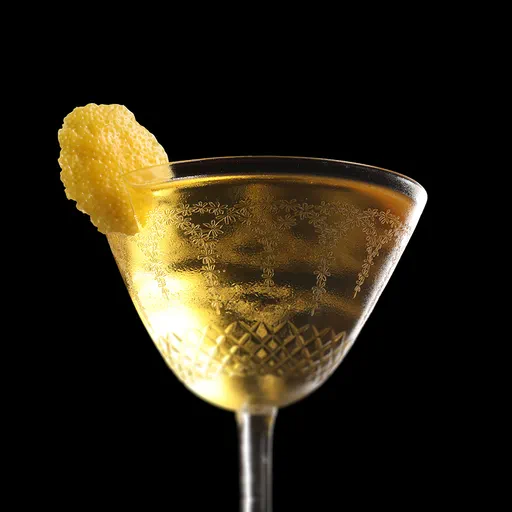
Classic cocktails are found in vintage recipe books from the mid-1800s to the 1980s.
View more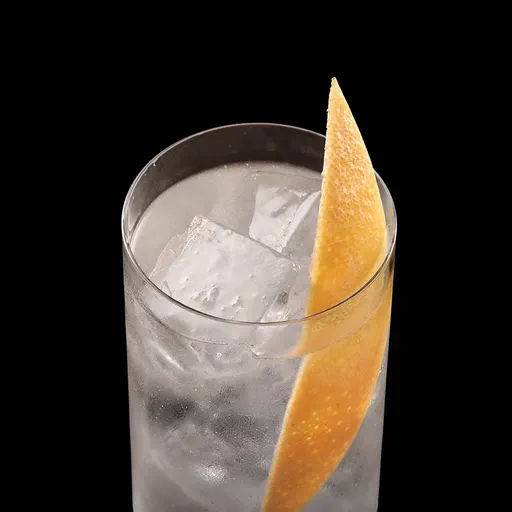
This "Martini" might be lengthened with lemonade, but it retains the essence of a proper Dry Martini, both in flavour and punch. As with a Martini...
View more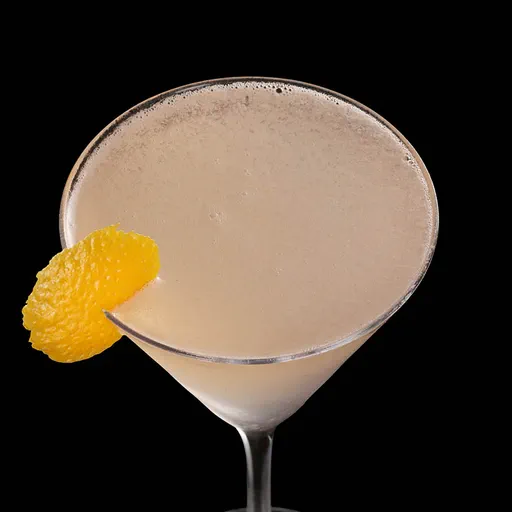
Zesty with the sharp freshness of grapefruit and a hint of orange, rounded with dry vermouth.
View more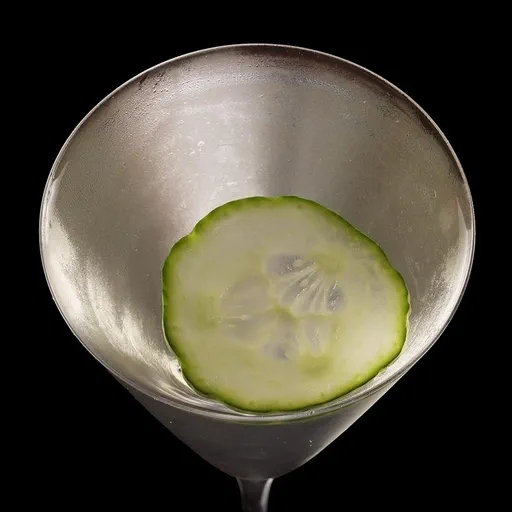
A Vodka Martini given a Japanese influence with sake and Japanese whisky. Omit the sugar syrup if you like your Martinis bone dry.
View more
When perfect dilution is achieved, a Port Sangree is delicious, and that requires good cubed ice, cold dry crushed ice, and powdered sugar. Even a...
View more
Comments & Discussion
View 5 comments and discussion