
No alcohol
Medium
Boozy

| 1 1⁄2 fl oz | Cognac (brandy) |
| 1⁄2 fl oz | Cointreau L'Unique triple sec liqueur |
| 3⁄4 fl oz | Lemon juice (freshly squeezed) |
| 1⁄6 fl oz | Sugar syrup 'rich' (2 sugar to 1 water) 65.0°Brix |
| 1⁄6 fl oz | Chilled water/mineral water (omit if using wet ice) |
| 2 drop | Saline solution (20g sea salt to 80g water) or merest pinch of s (optional) |
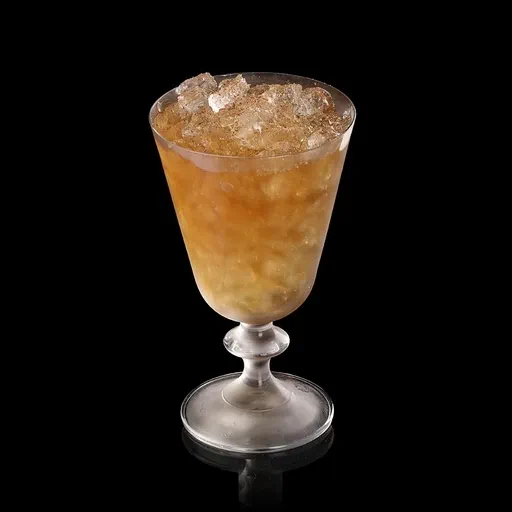
Photographed in an Urban Bar Plain Retro Coupette 15cl
One serving of Sidecar contains 154 calories
In his 1948 Fine Art of Mixing Drinks, David A. Embury says of the Sidecar's origin: "It was invented by a friend of mine at a bar in Paris during World War I and was named after the motorcycle sidecar in which the good captain customarily was driven to and from the little bistro where the drink was born and christened."
Embury doesn't name the bar, but it's commonly assumed that he meant Harry's New York Bar and that its owner, Harry MacElhone, created the cocktail. However, in his own 1922 ABC of Cocktails, Harry credits the cocktail to Pat MacGarry, "the Popular bar-tender at Buck's Club, London." However, in later ABC of Cocktails editions, he appears to take credit for the cocktail himself. The fact that MacElhone worked alongside Malachi "Pat" MacGarry at Buck's Club when it first opened just a few years earlier in June 1919 may have some bearing on this.
MacGarry being the originator of the Sidecar is further reinforced by the first printed recipe appearing in Robert Vermeire's Cocktails How To Mix Them, published in May 1922, just a few months before Harry MacElhone's ABC of Cocktails.
Side-Car.
Robert Vermeire, 1922
Fill the shaker half full of broken ice and add:
1/6 gill of fresh Lemon Juice.
1/6 gill of Cointreau.
1/6 gill of Cognac Brandy.
Shake well and strain into a cocktail-glass.
This cocktail is very popular in France. It was first introduced in London by MacGarry, the celebrated bar-tender of Buck's Club.
Like so many classic cocktails, we will probably never know who created/named the Sidecar cocktail, but it appears to have been created by MacGarry in London and then popularised by Harry MacElhone at his Parisian bar.
In the 1938 French-language version of his book, Vermeire adds weight to French adoption claims by stating that the south of France was the drink's home. Before anyone suggests it, there is no evidence to support the Sidecar being "invented at the Carlton Hotel in Cannes."
Cognac shines over freshening lemon and orange zestiness. Hopefully, you'll find this recipe perfectly balanced, but those with a sweet tooth may prefer to serve in a glass with a sugar rim - as has become traditional for a Sidecar.
The proportions of this cocktail are debated as much as the Sidecar's origin (see below). The earliest published recipe (Robert Vermeire's 1922 Cocktails: How to Mix Them and Harry MacElhone's 1922 ABC of Cocktails) follows an equal parts formula (1 x brandy, 1 x triple sec and 1 x lemon juice) and, perhaps due to ease rather than balance, remains popular.
In his 1948 Fine Art of Mixing Drinks, David A. Embury writes of the 'equal parts' Sidecar, "This is the most perfect example of a magnificent drink gone wrong". He argues, "Essentially the Side Car is nothing but a Daiquiri with brandy in the place of rum and Cointreau in the place of sugar syrup or orgeat." Embury then gives his 8:2:1 Daiquiri formula (2 brandy, ½ triple sec and ¼ lemon juice).
In his 1930 The Savoy Cocktail Book, Harry Craddock calls for 2 brandy, 1 triple sec and 1 lemon juice.
Some refer to MacElhone and Vermeire's equal parts recipe as belonging to "the French school," while the Savoy's 2:1:1 formula is said to be from the "English school."
My previous recipe of 6:3:2 (45ml brandy, 22.5ml triple sec and 15ml lemon juice) [replaced 15 Dec 25] takes the middle ground between The Savoy and the 'equal parts' camp, but the Sidecar is better when the triple sec's sweetness is bolstered by a spoon of sugar syrup and the proportion of liqueur lowered and the lemon juice raised. As per the recipe above. Or, even better, add Pineau des Charentes in place of sugar syrup and follow my Sidecar recipe.
Difford's Sidecar recipe
Sidecar Royale - a Sidecare charged with sparkling wine/champagne
Apple Cart - a calvados-based Sidecar
Biblical Sidecar - a spicy Christmassy sidecar
Biggles' Sidecar - with ginger liqueur
Chelsea Sidecar - gin-based
Chocolate Sidecar - with crème de cacao and port
Eastern Raspberry Sidecar - with sake and fresh raspberries
Gennaro's Sidecar - with limoncello
Grand Sidecar - Difford's two-ingredient Sidecar
Lady's Sidecar - with orange and lemon juice
Champs-Elysees
Marignay

Makes a minimum of 25 cocktails.
Shipping and applicable tax calculated at checkout.
Orders are processed by a licensed Fulproof retailer. The buy now button is added simply for convenience.
* May not include all ingredients. Price per cocktail is an estimate based on cost of one cocktail with ingredients shown above and does not include shipping.

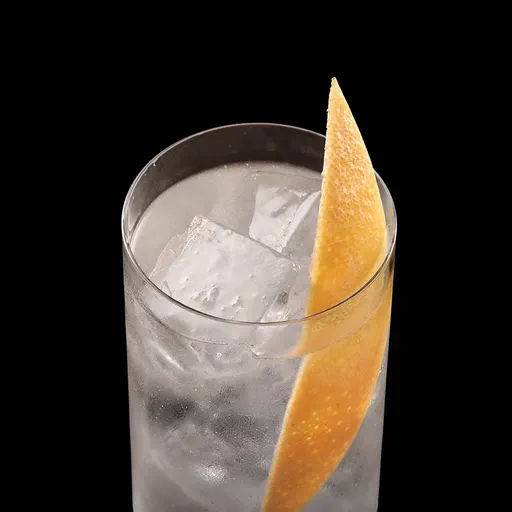
This "Martini" might be lengthened with lemonade, but it retains the essence of a proper Dry Martini, both in flavour and punch. As with a Martini...
View more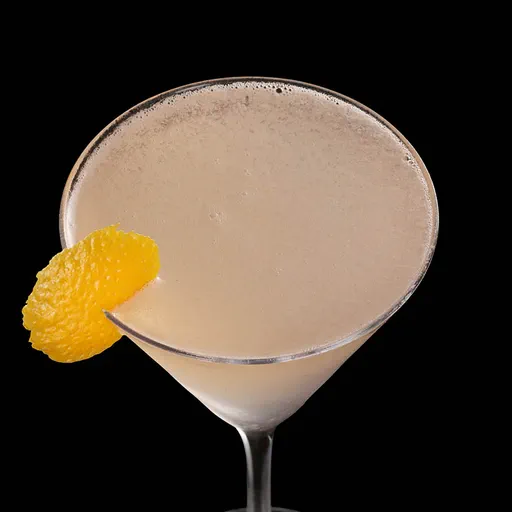
Zesty with the sharp freshness of grapefruit and a hint of orange, rounded with dry vermouth.
View more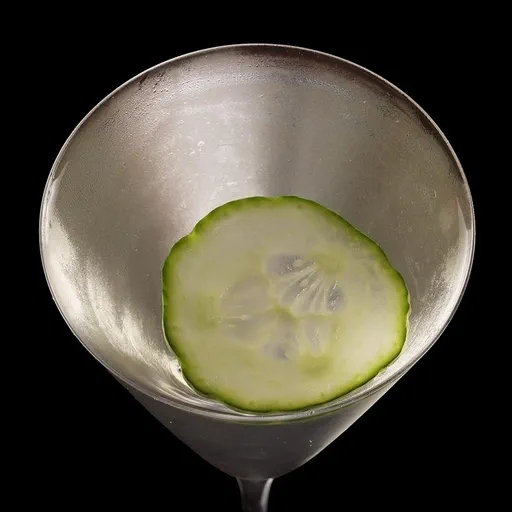
A Vodka Martini given a Japanese influence with sake and Japanese whisky. Omit the sugar syrup if you like your Martinis bone dry.
View more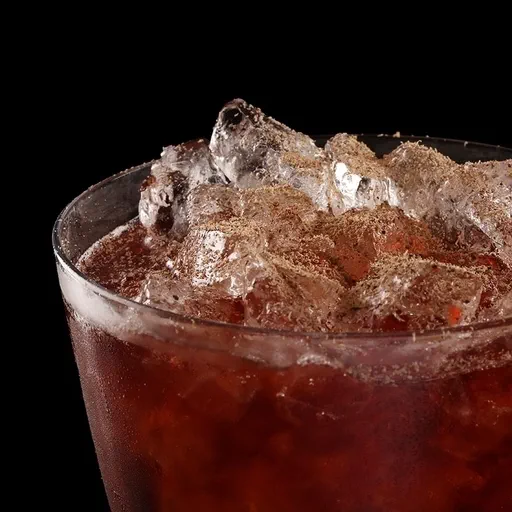
When perfect dilution is achieved, a Port Sangree is delicious, and that requires good cubed ice, cold dry crushed ice, and powdered sugar. Even a...
View more
Comments & Discussion
It's one of the reasons it's such a classic!
Perfectly balanced. I used a Camus VSOP and it was so good I had to have another
Showing the first 9 of 16 comments.
View 16 comments and discussion